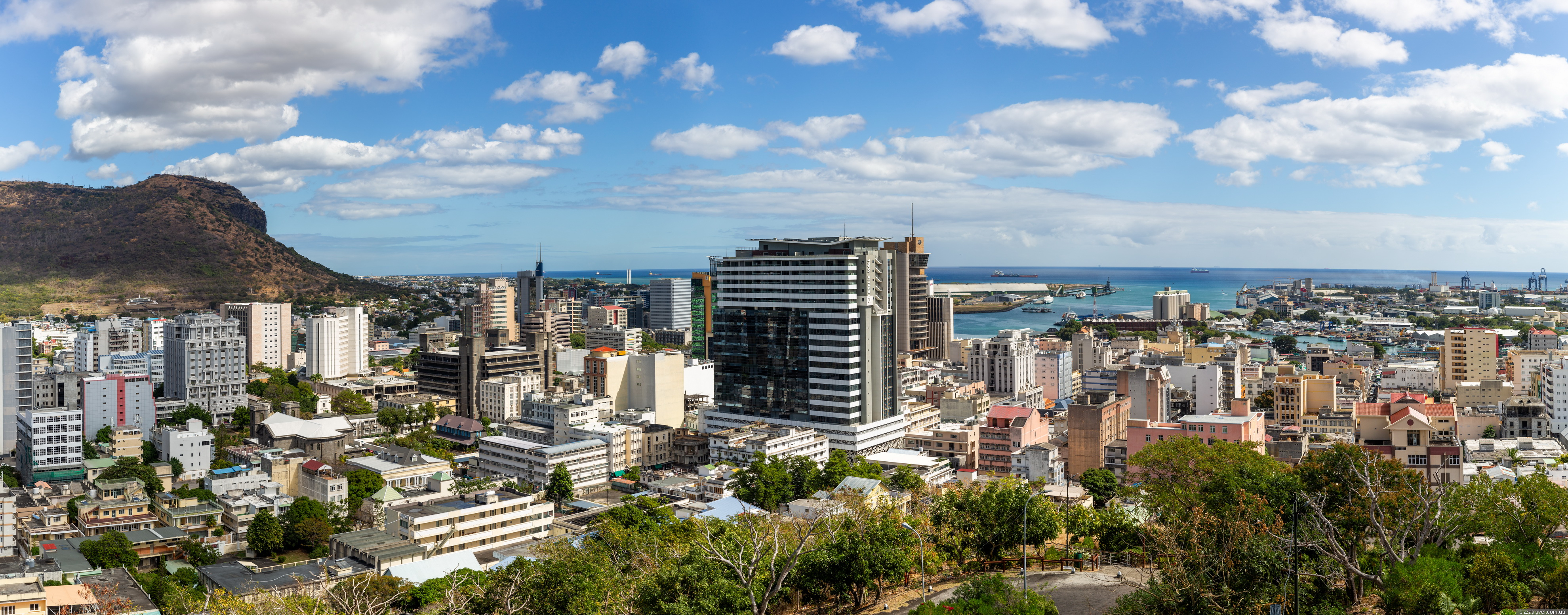
View of Port Louis from the fort ©Yuriy Buriak
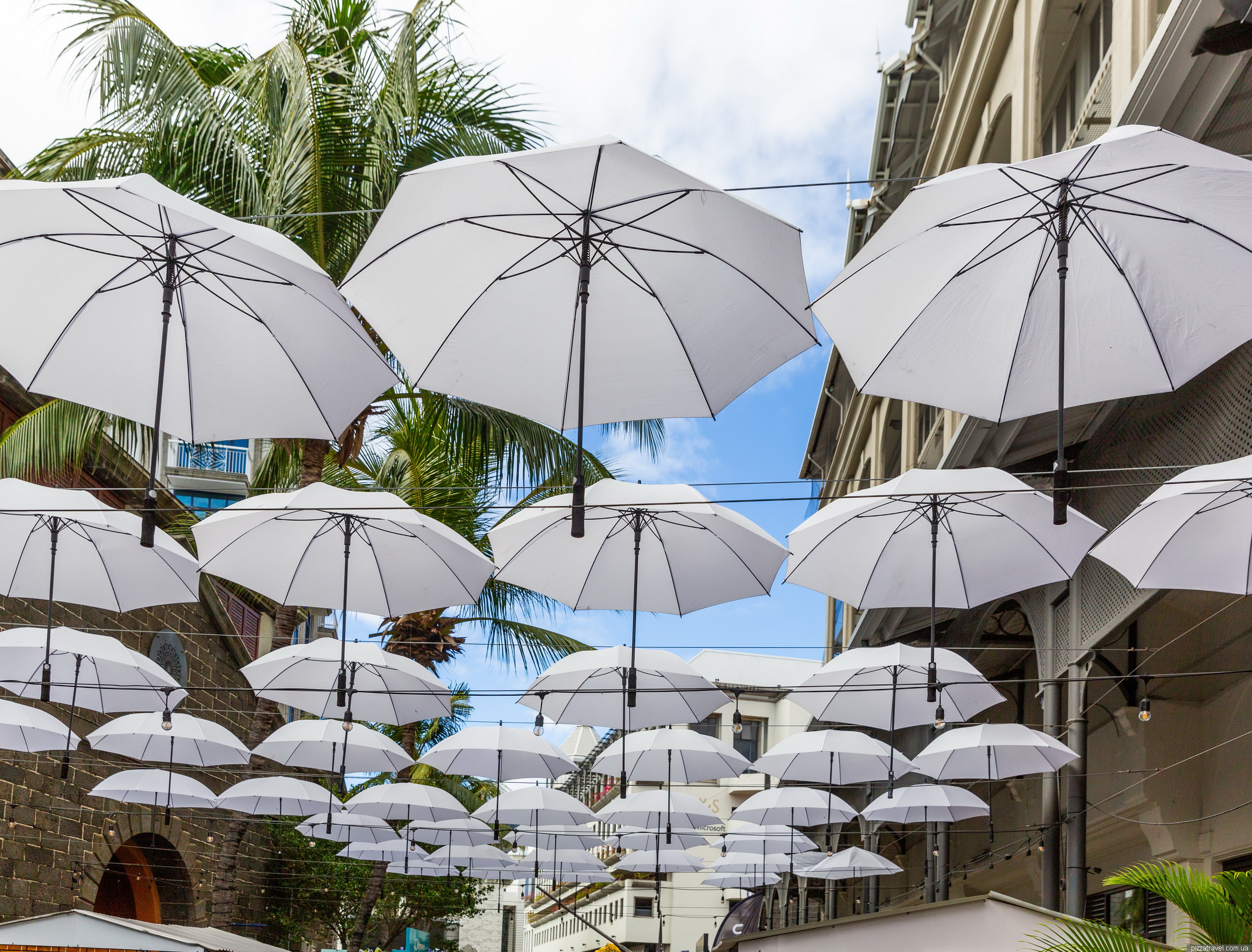
Port Louis, the capital of the island ©Yuriy Buriak
At first we visited Fort Adelaide, which the locals often refer to simply as the Citadelle, situated on a hill above Port-Louis. It’s worth mentioning that the traffic in the city is rather chaotic; it took us over half an hour to drive through the city to reach the fort.
The fort was built in the 1830s by the British following their conquest of the island, to control the city and prevent potential uprisings. The fortress was named in honour of Queen Adelaide of Saxe-Meiningen, the wife of the British king.
It was never used in actual combat, but was of strategic importance for controlling the port. Today, the Citadel is a popular viewpoint. From its walls, there is a panoramic view of Port Louis, the harbour and the Moka Range. Entry is free, but there isn’t much to do here apart from looking out over the city.
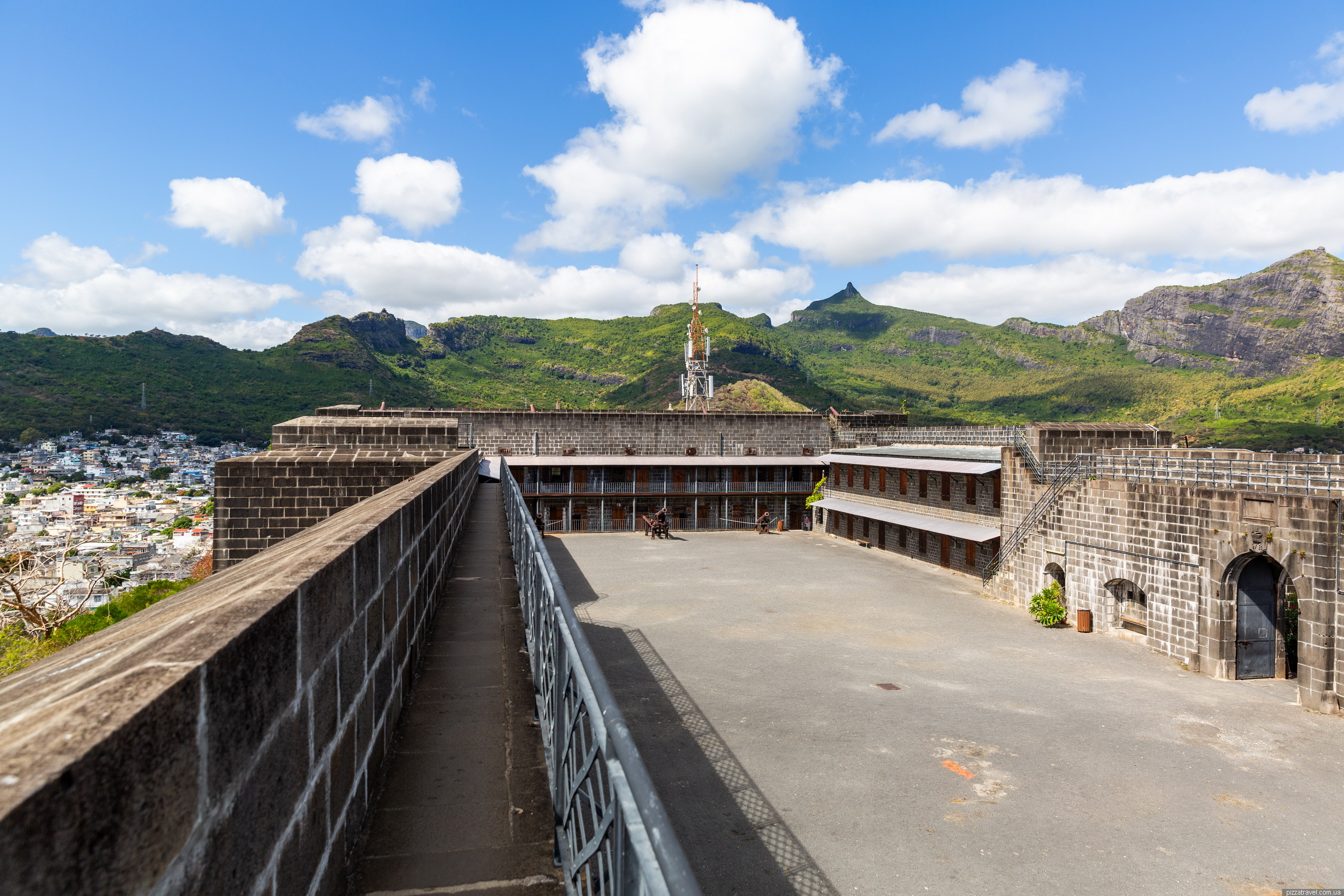
Fort Adelaide (Citadelle) ©Yuriy Buriak
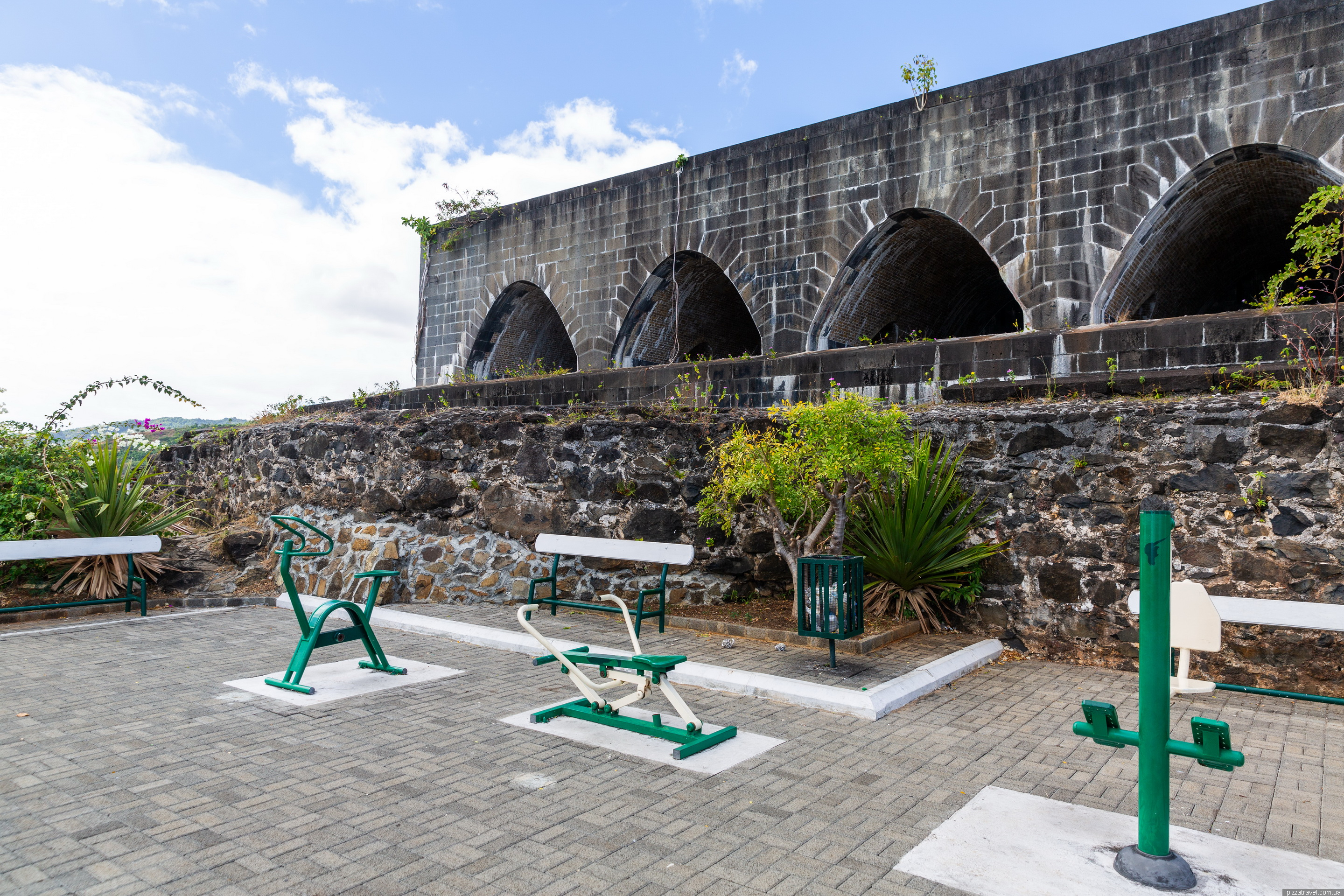
Fort Adelaide (Citadelle) ©Yuriy Buriak
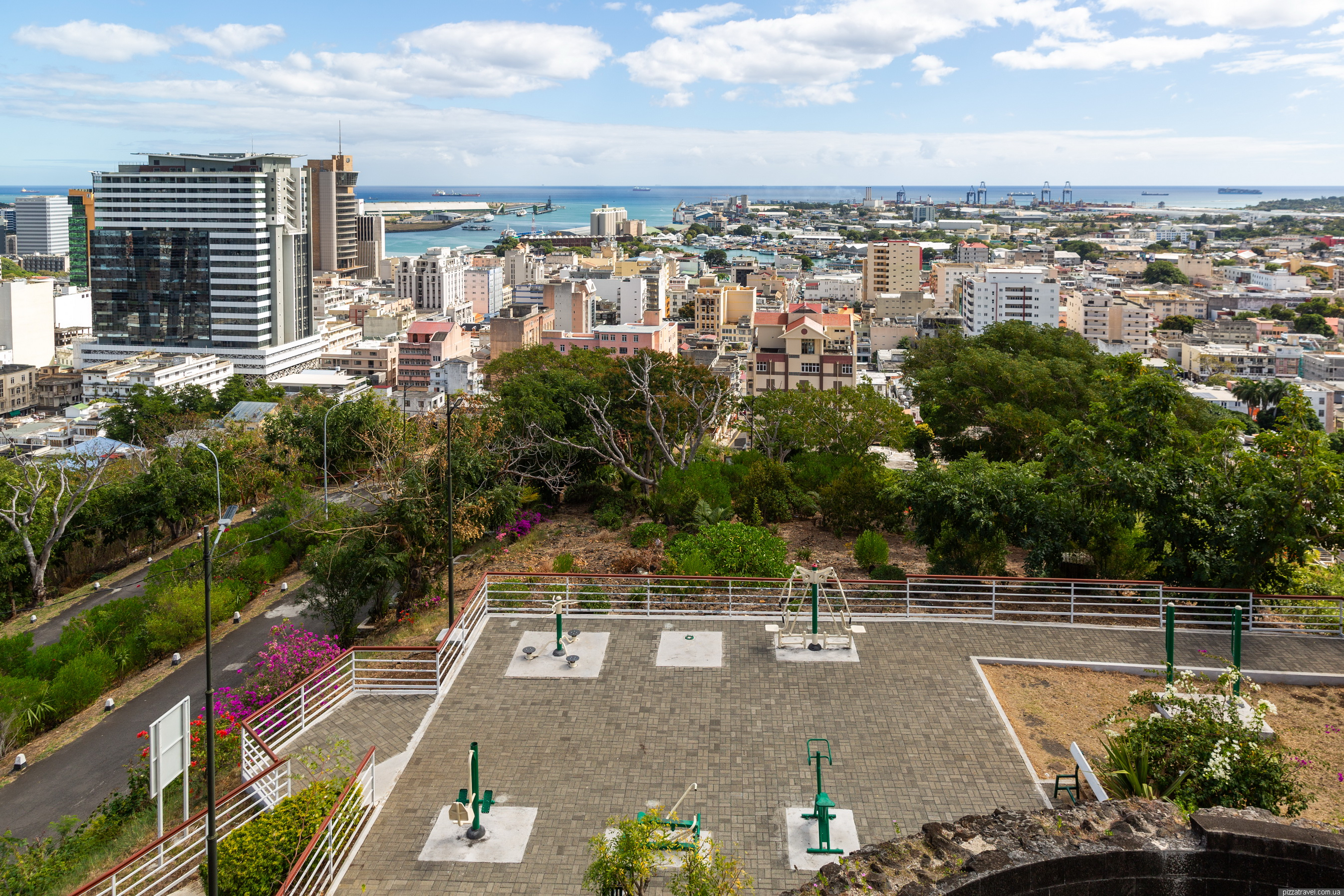
View of Port Louis from the fort ©Yuriy Buriak
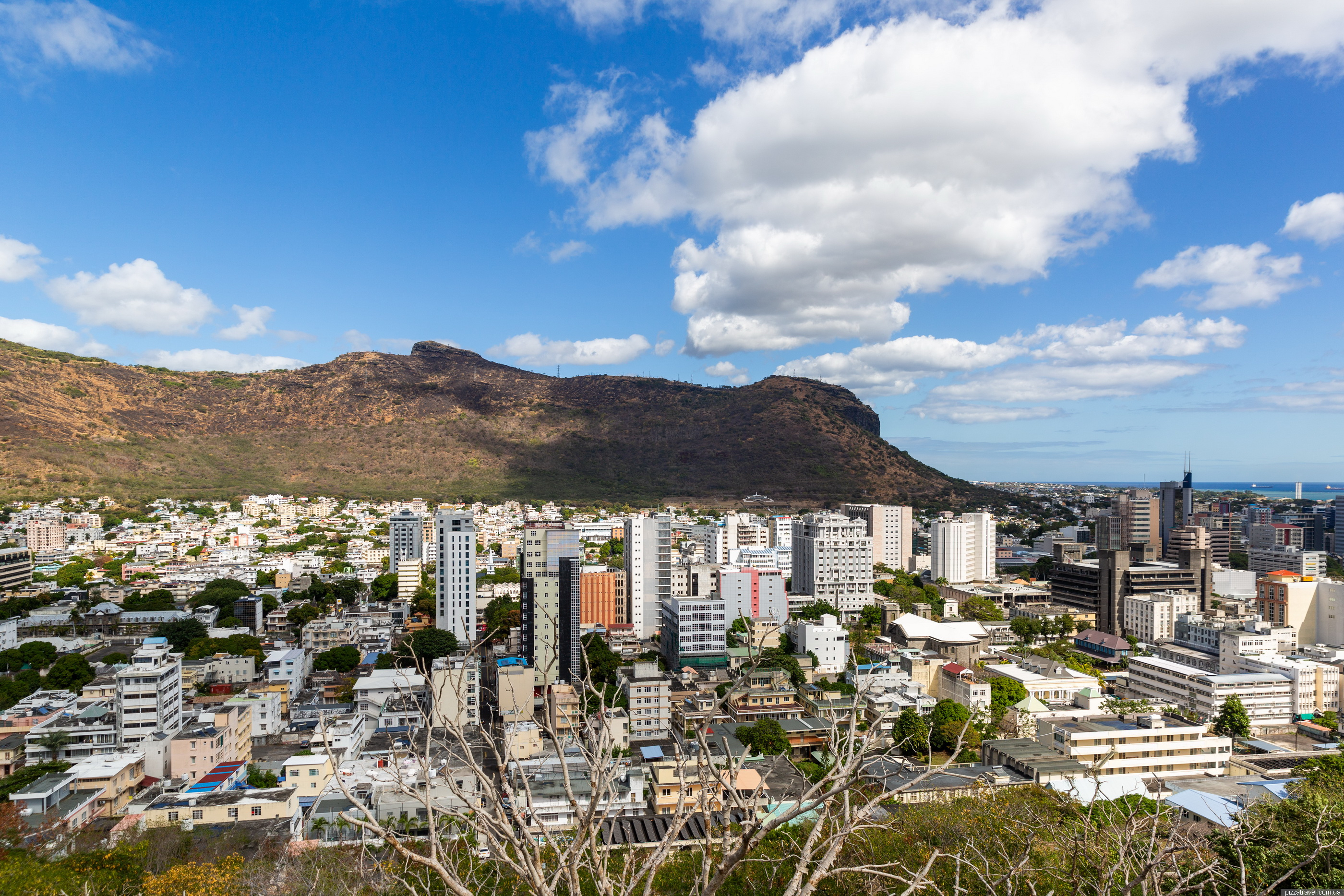
View of Port Louis from the fort ©Yuriy Buriak
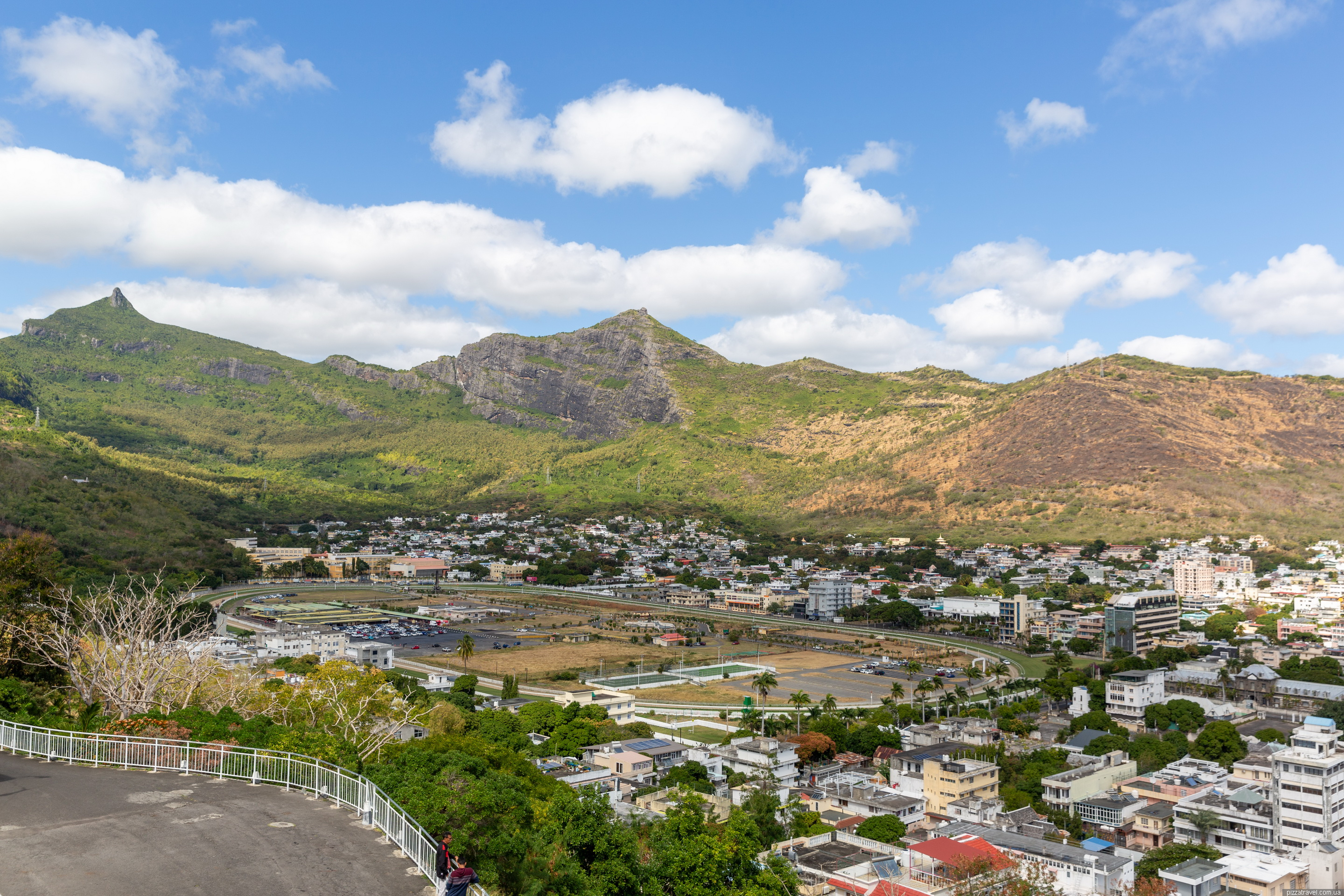
Mountains around Port Louis ©Yuriy Buriak
After visiting the fort, we headed to the waterfront. There is a good, convenient car park at the port. We recommend it (-20.160556, 57.496694). Right next to the car park is the beautiful Blue Penny Museum, which houses the famous Blue Penny stamp — one of the rarest in the world.
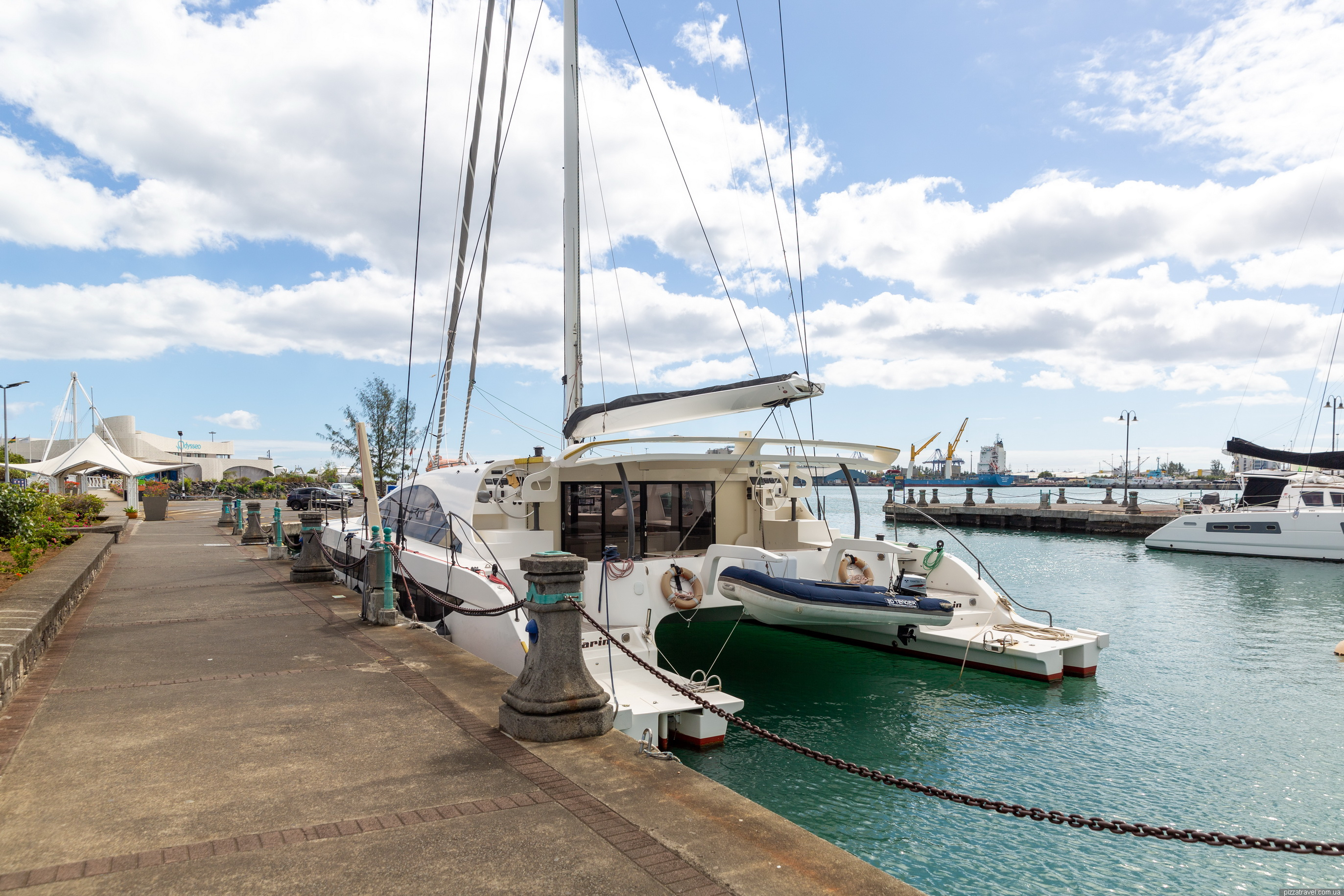
Port Louis, the capital of the island ©Yuriy Buriak
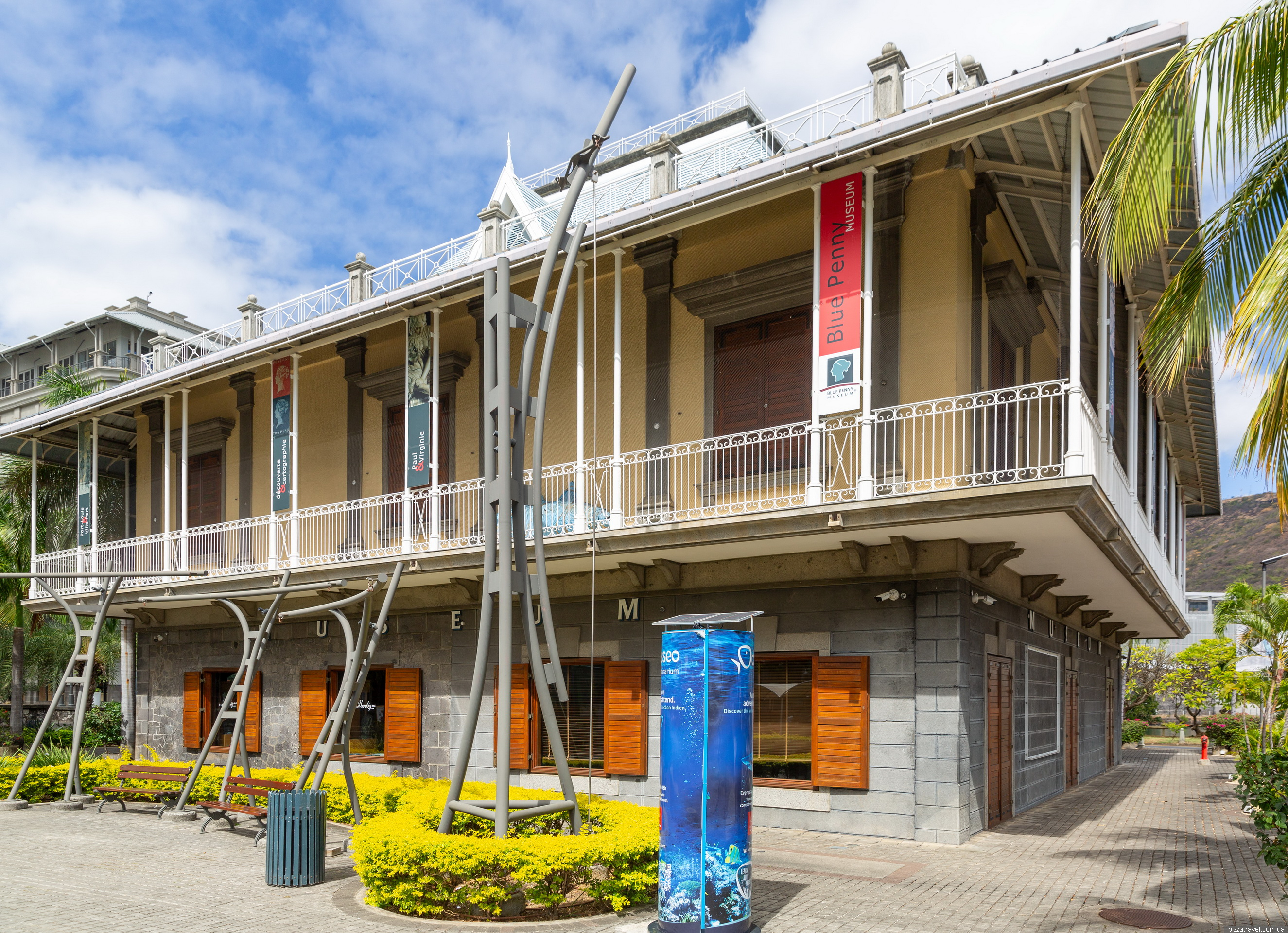
Port Louis, the capital of the island ©Yuriy Buriak
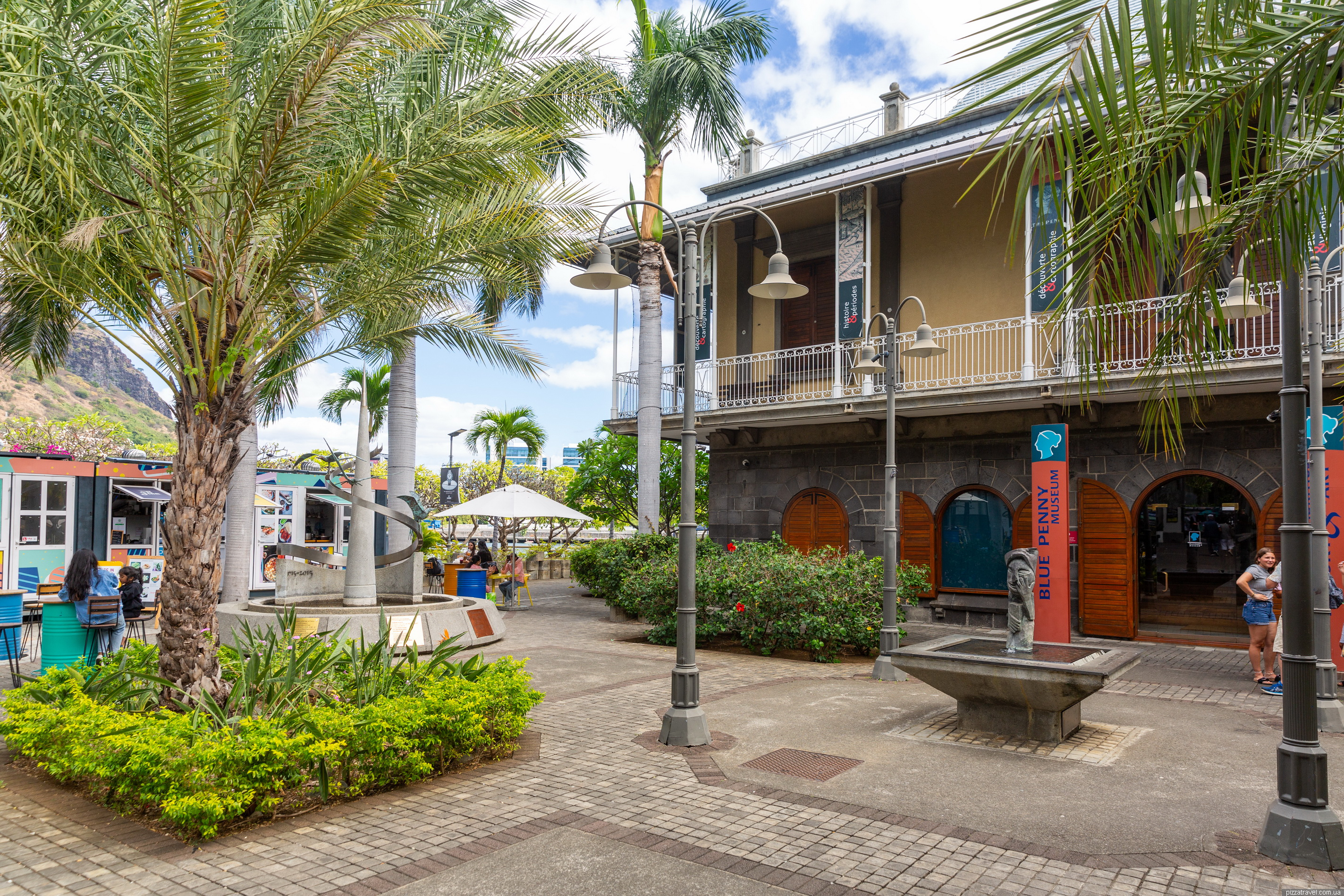
Port Louis, the capital of the island ©Yuriy Buriak
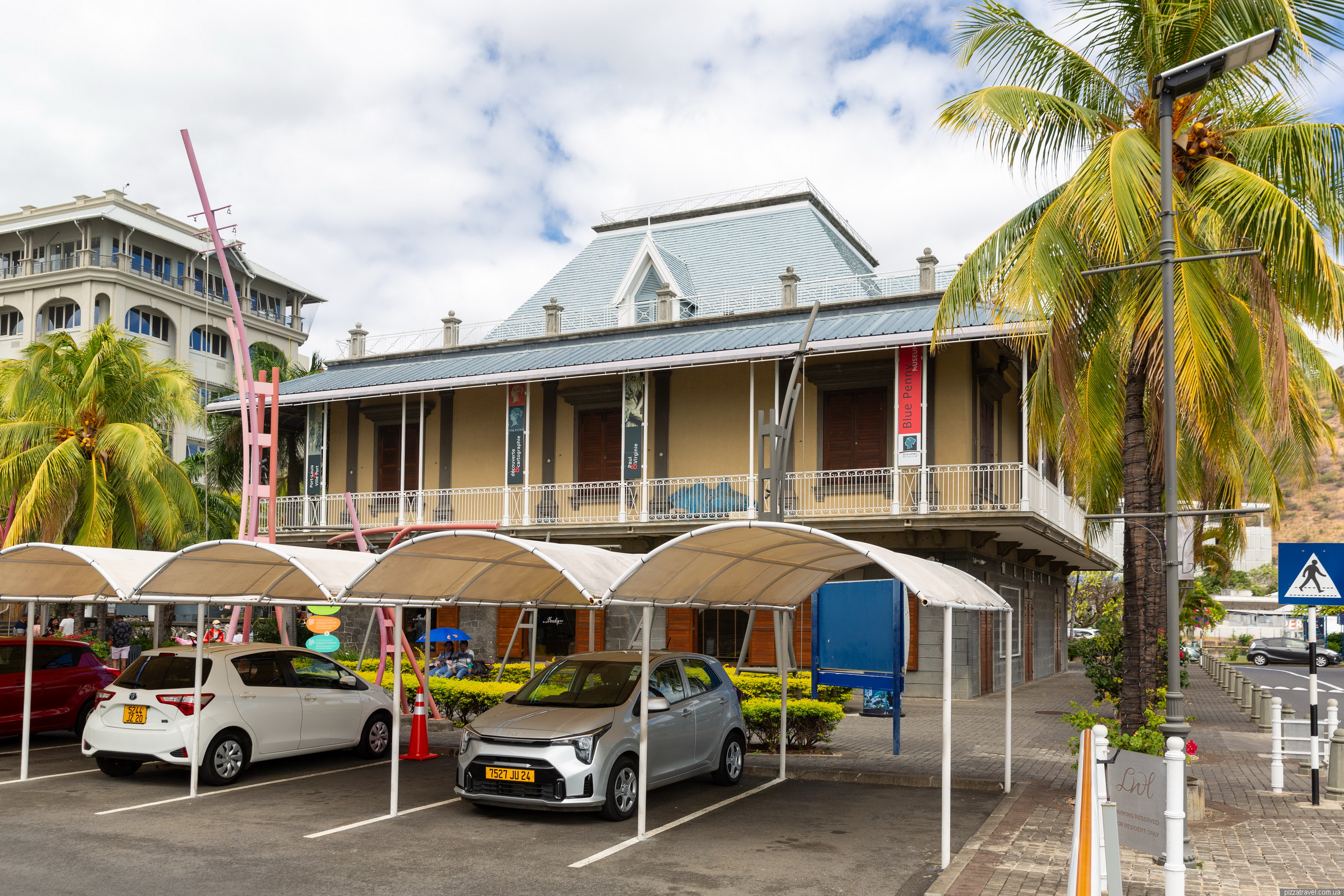
Port Louis, the capital of the island ©Yuriy Buriak
In the 19th century, after the island came under British control, Port Louis remained an important port for the sugar trade, which was the island’s main product. Today, it is the country’s political and economic hub, where colonial architecture, modern office buildings and bustling markets coexist.
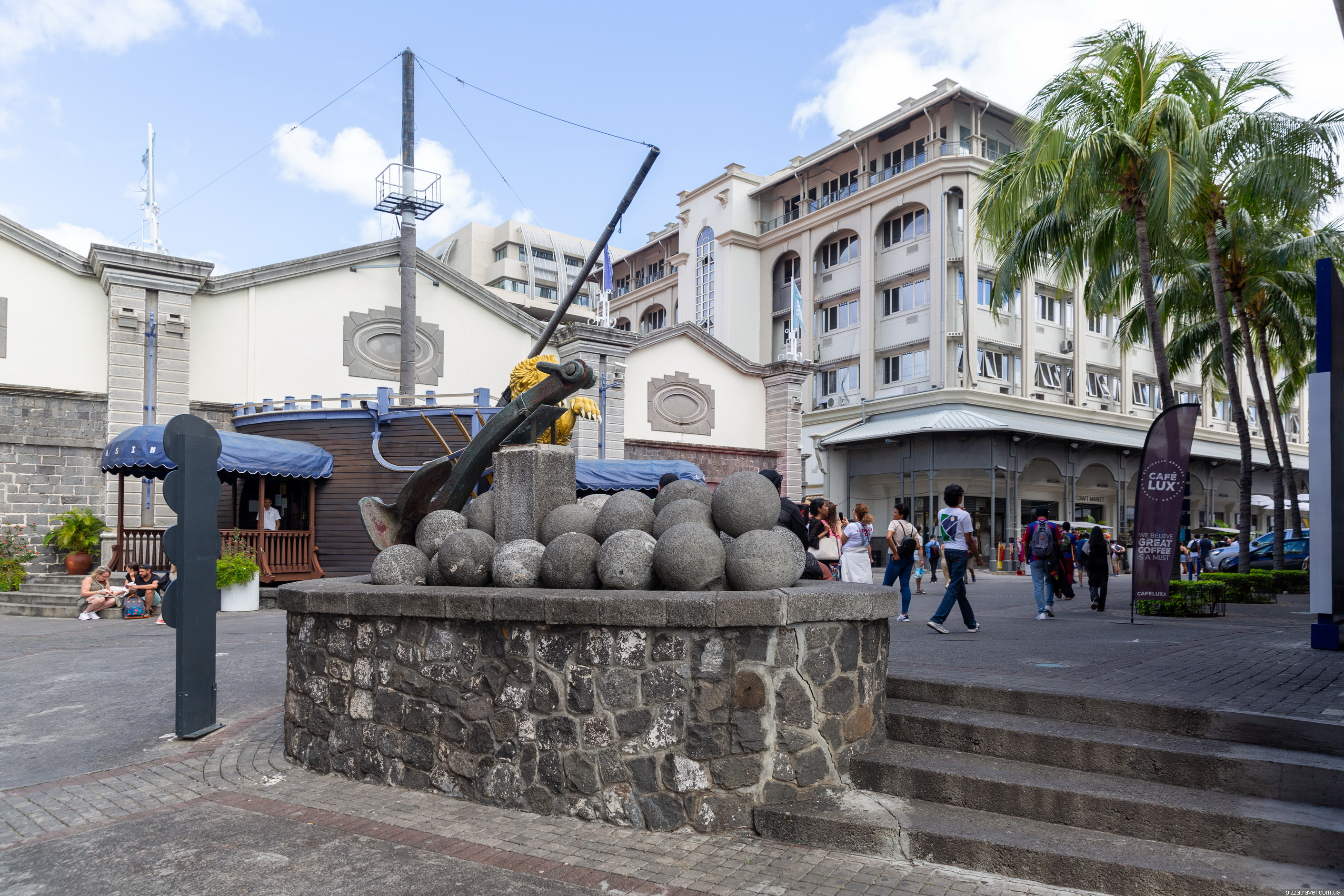
Port Louis, the capital of the island ©Yuriy Buriak
Port Louis, the capital of the island ©Yuriy Buriak
Port Louis, the capital of the island ©Yuriy Buriak
Port Louis, the capital of the island ©Yuriy Buriak
Port Louis, the capital of the island ©Yuriy Buriak
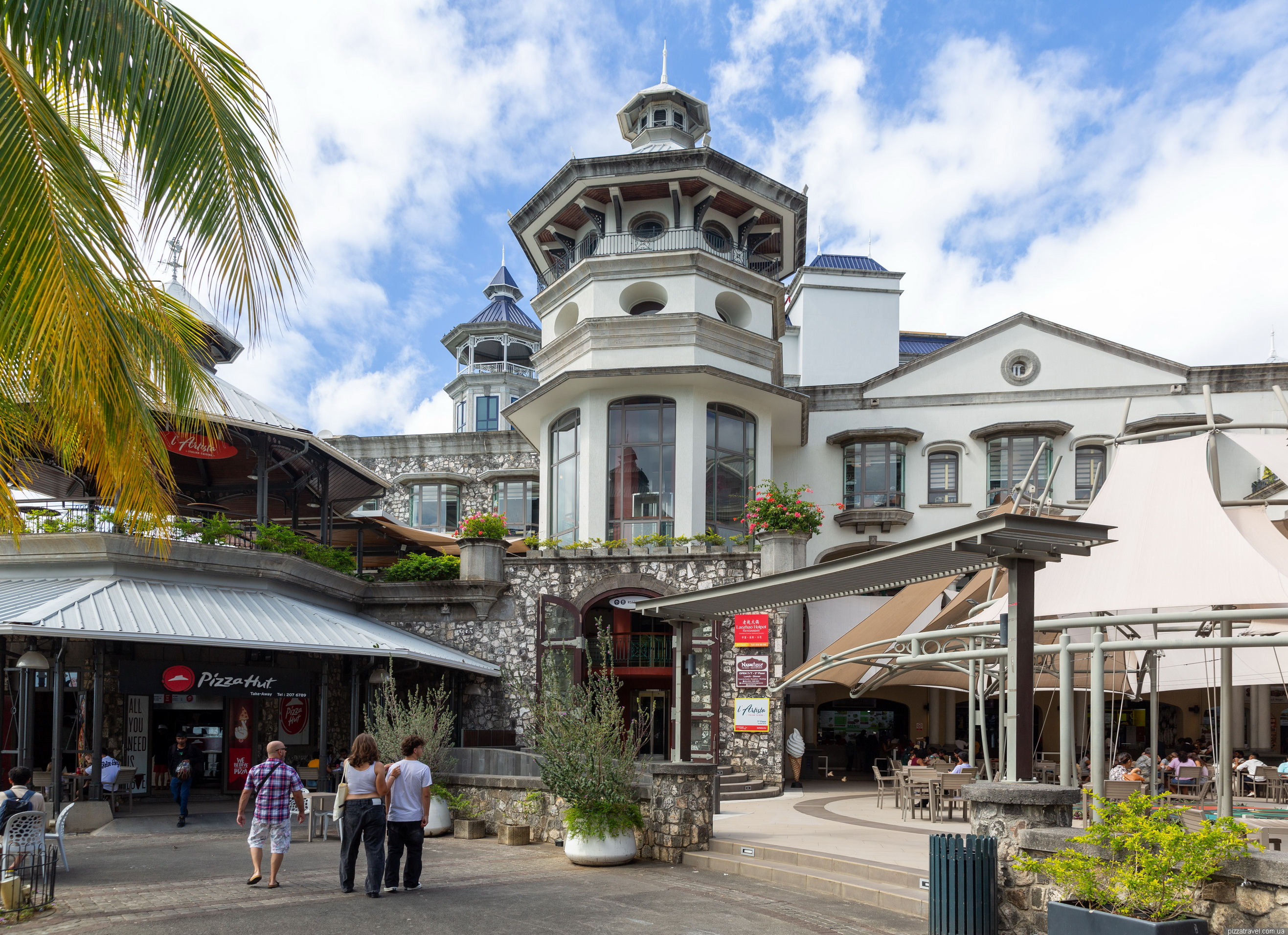
Port Louis, the capital of the island ©Yuriy Buriak
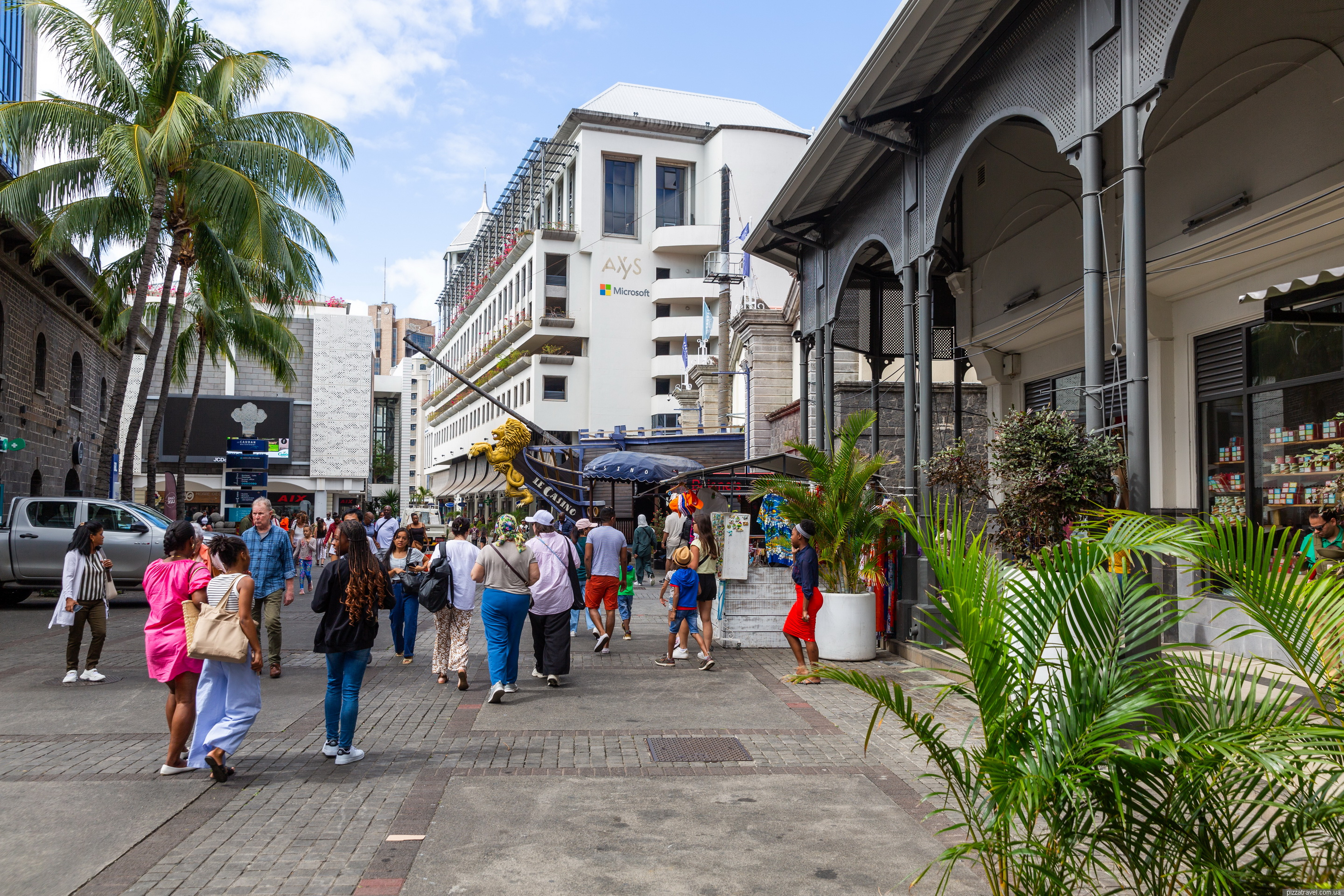
Port Louis, the capital of the island ©Yuriy Buriak
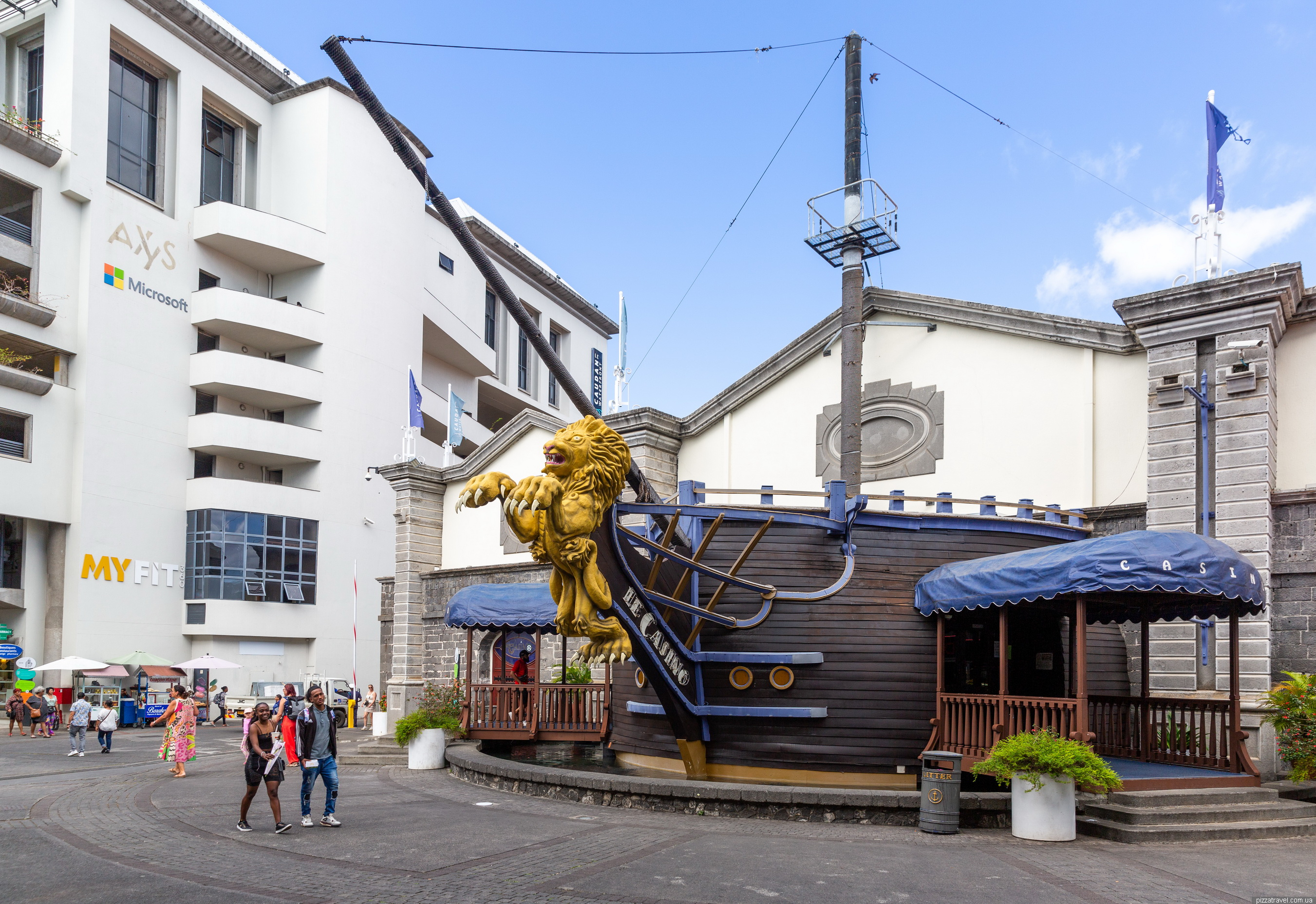
Port Louis, the capital of the island ©Yuriy Buriak
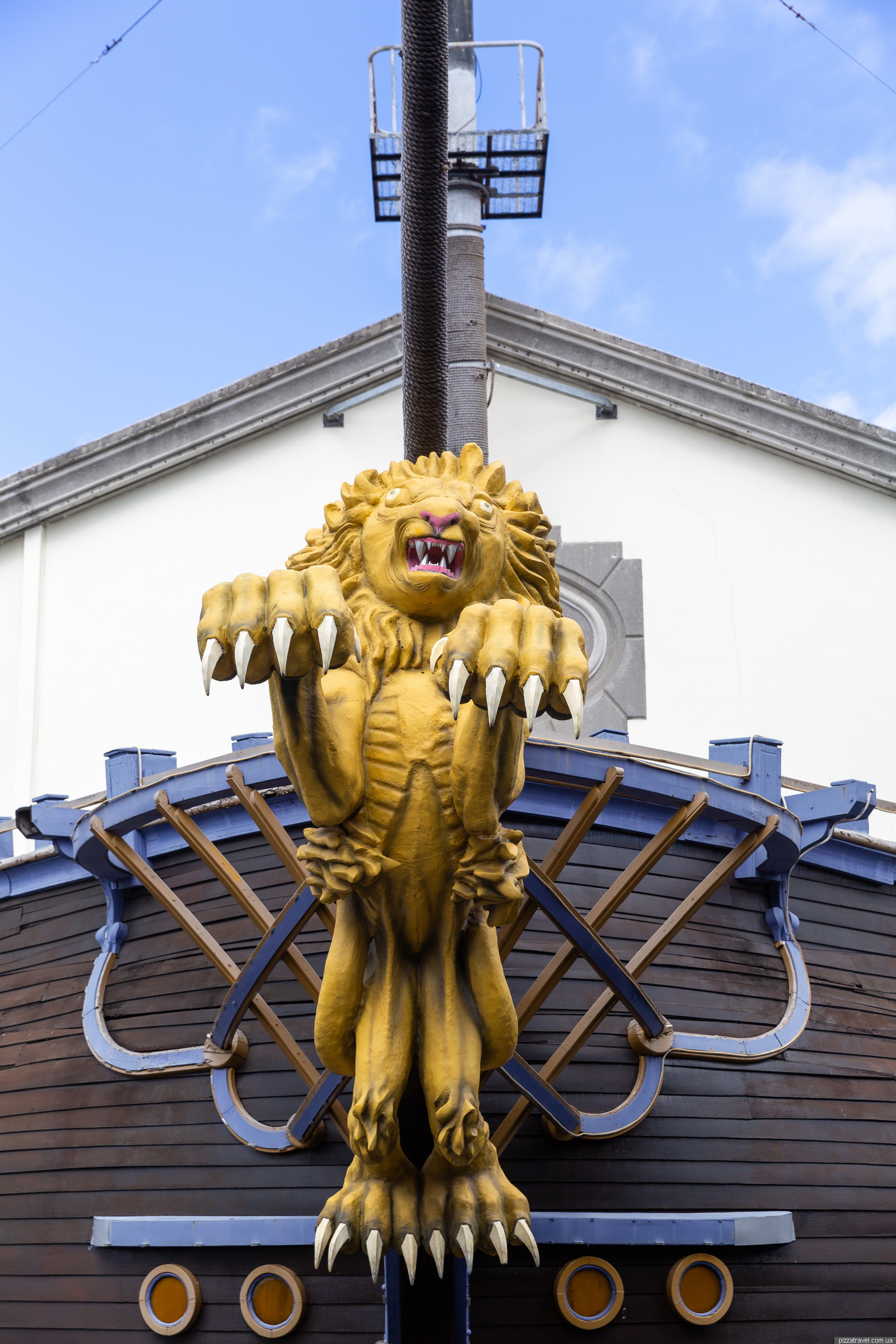
Port Louis, the capital of the island ©Yuriy Buriak
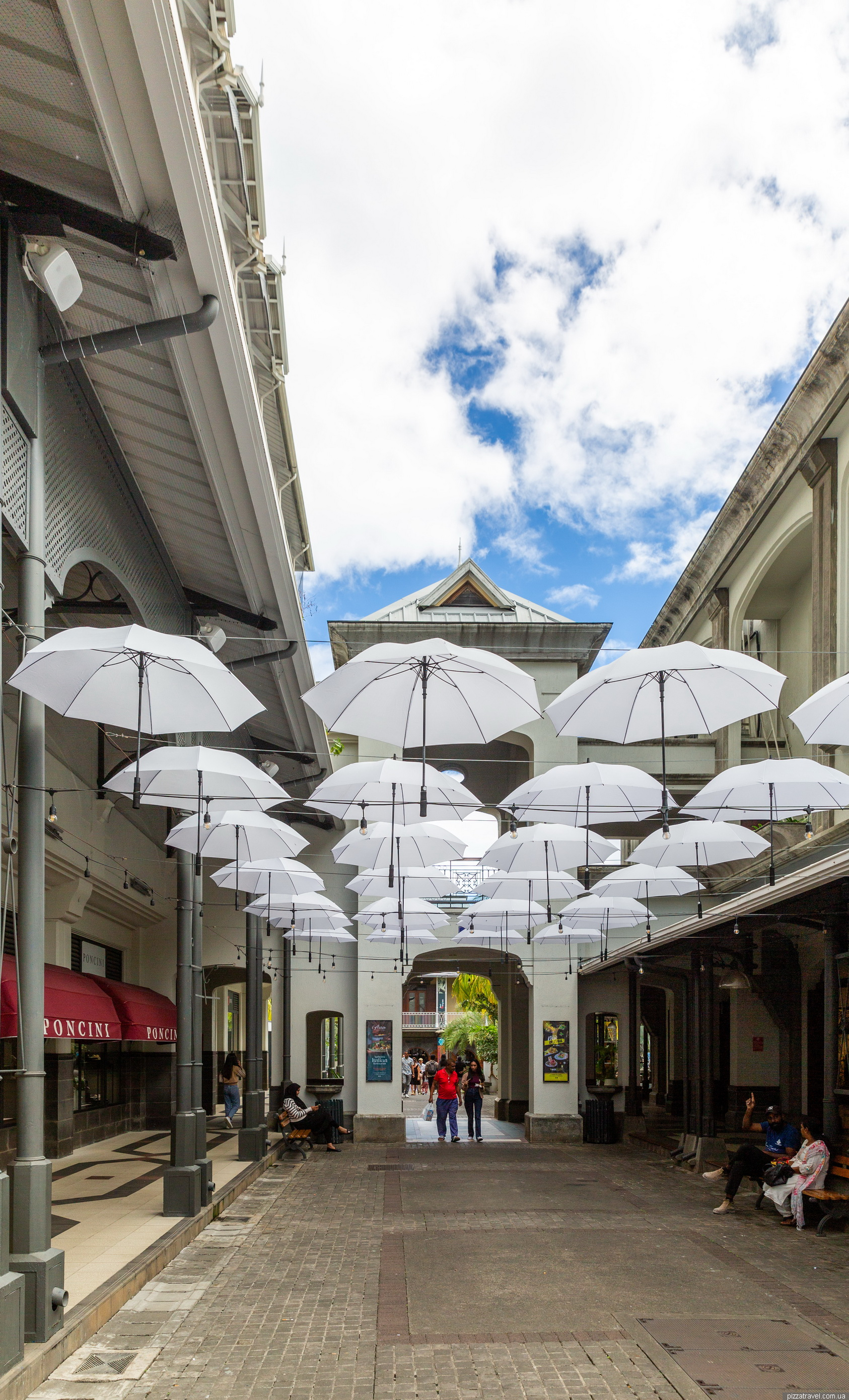
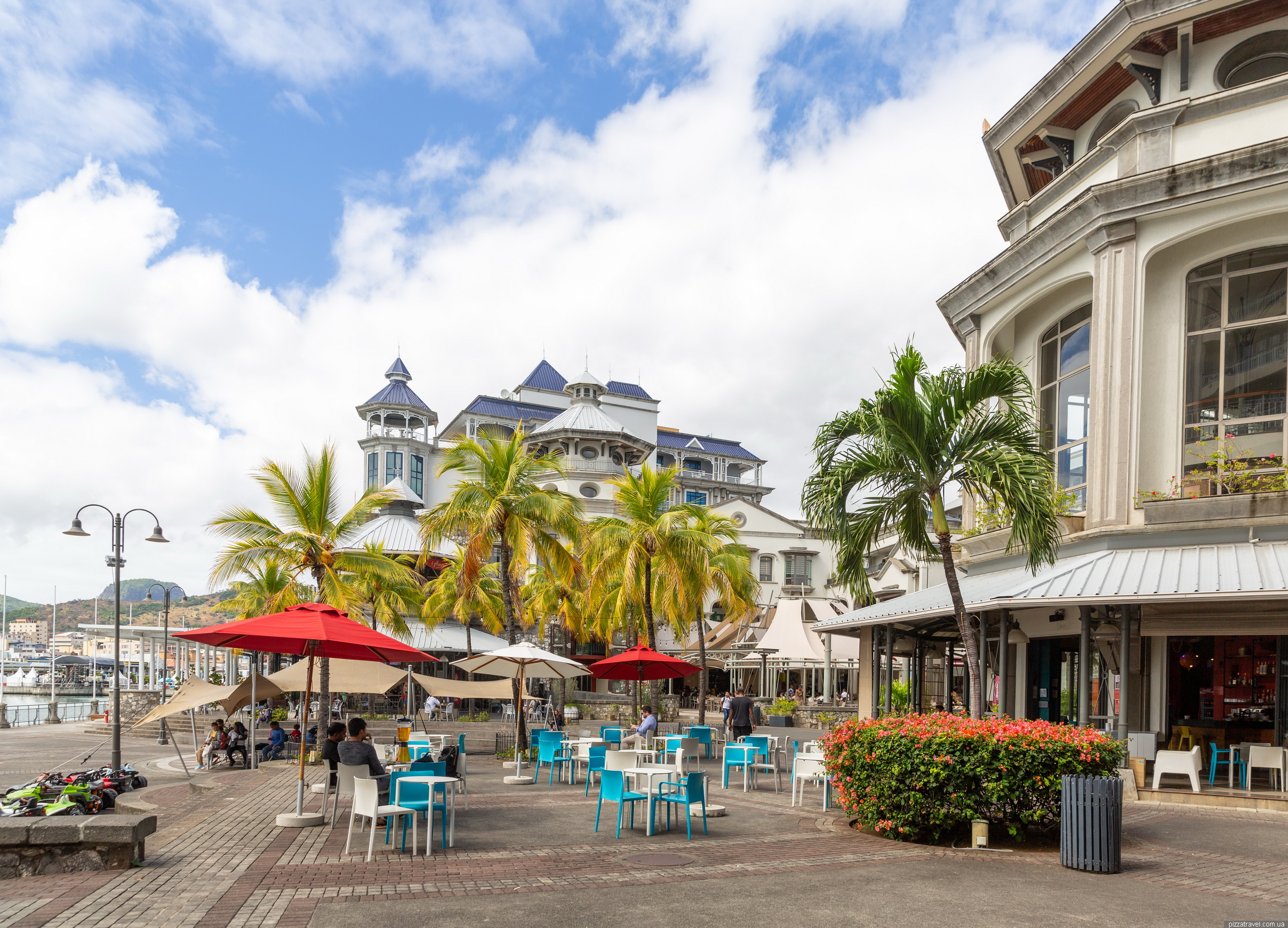
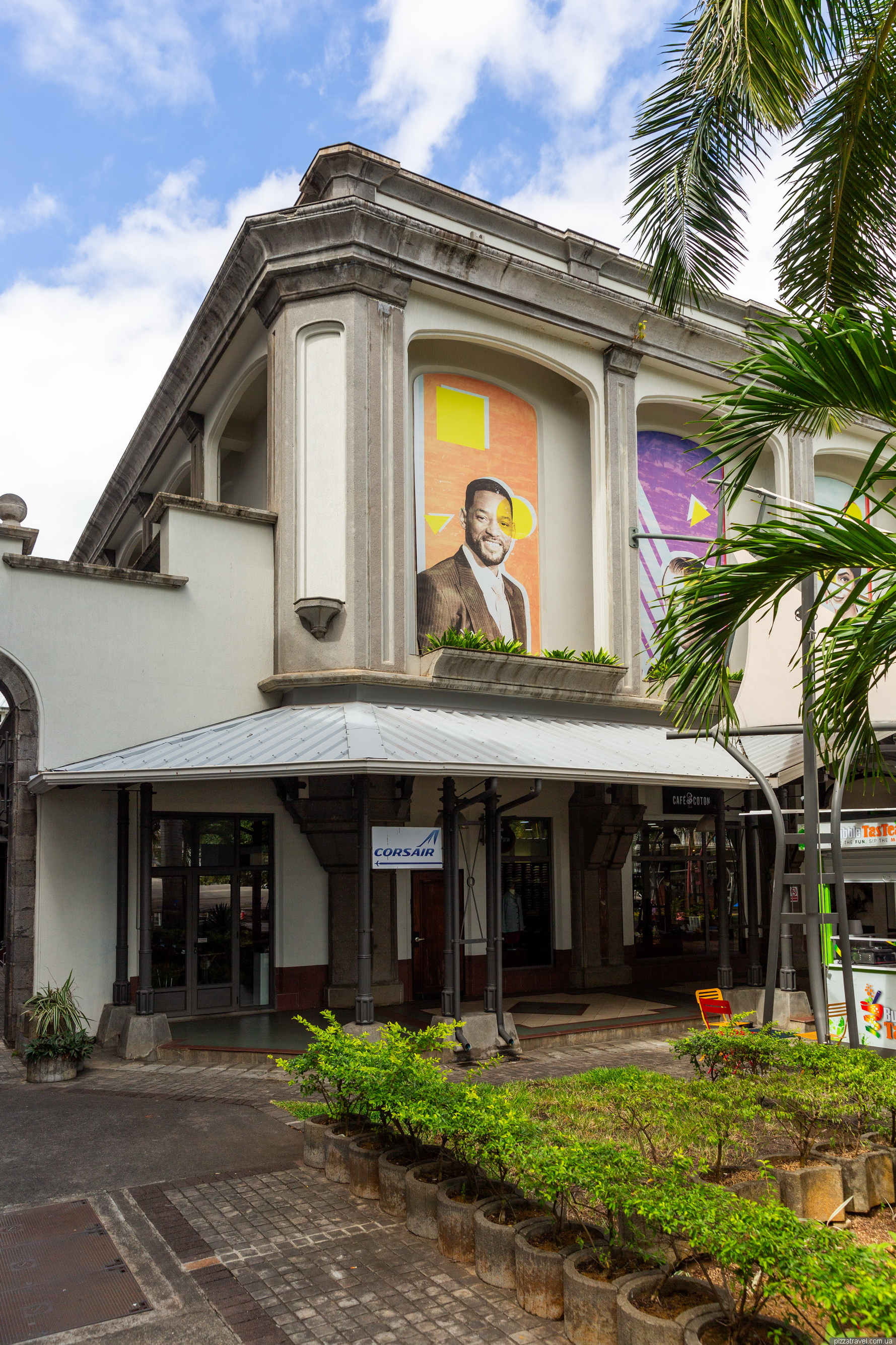
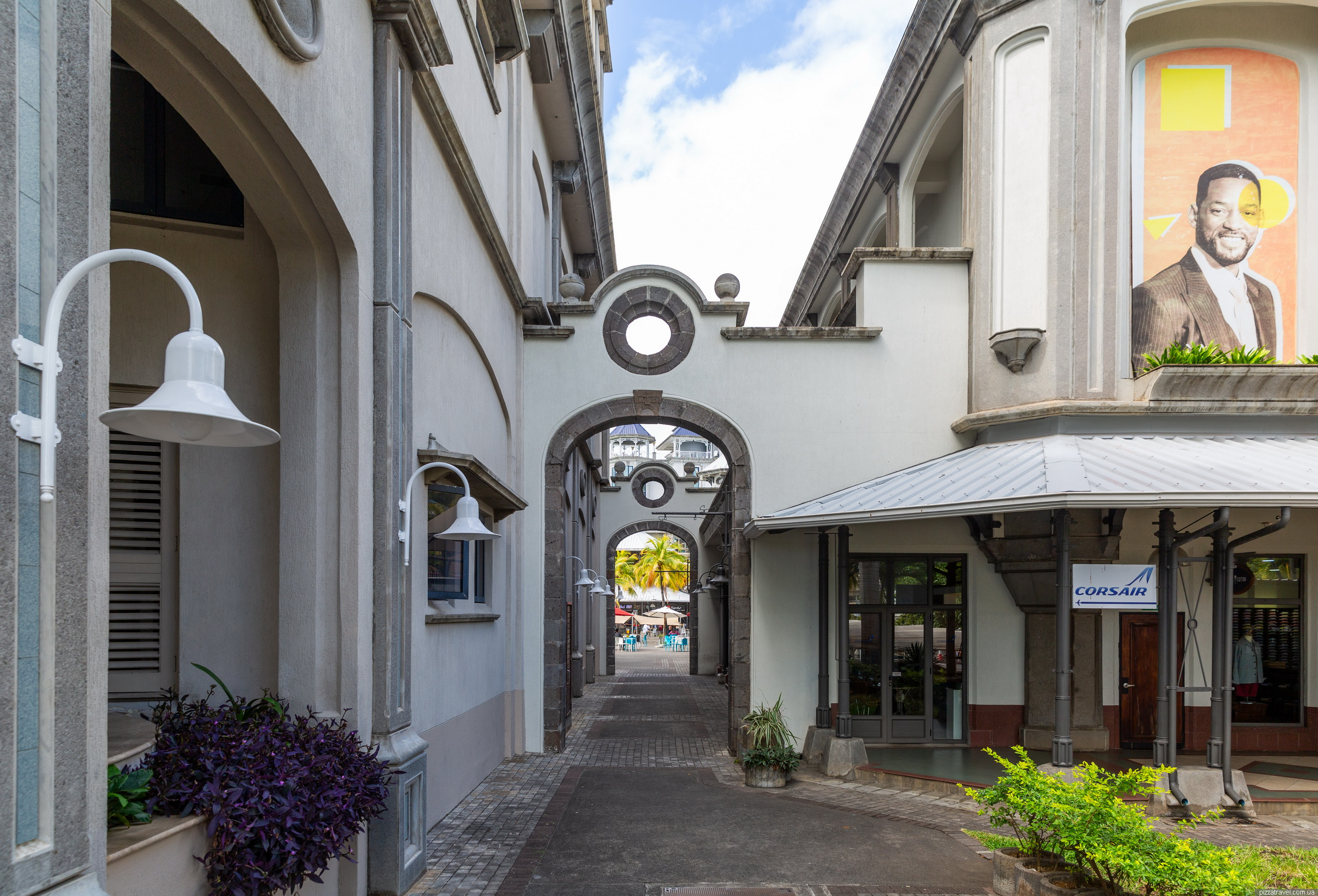
The Caudan Waterfront reminded us a little of Skopje; there are no sculptures here, but the architecture is similar and everything is covered in concrete. In fact, it is the only place in Port-Louis where a European tourist can go for a stroll, even with children. The area was built in the 1980s on the site of old port warehouses and docks. The project was part of a major redevelopment of the port area, aimed at transforming it into a modern tourist and commercial hub.
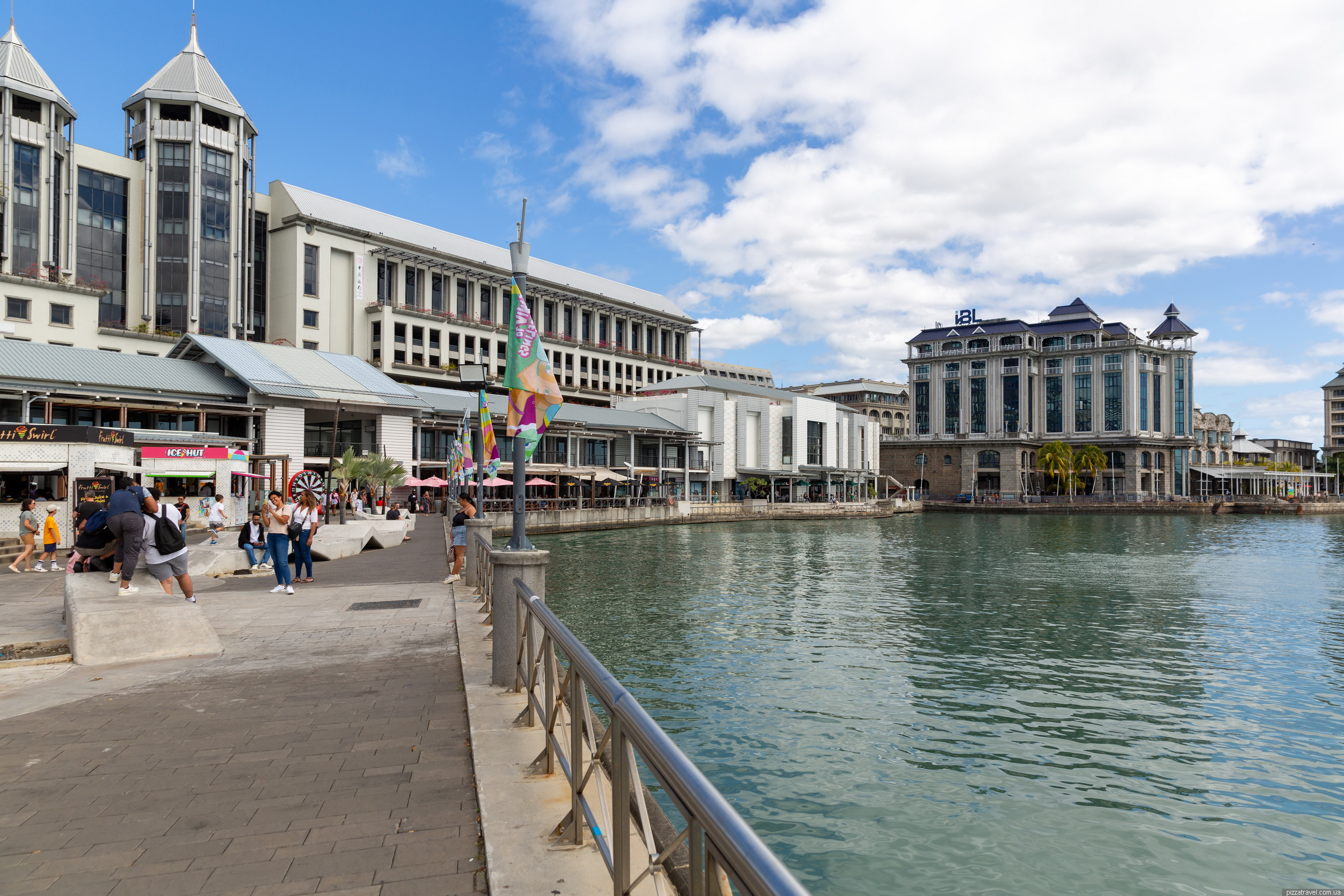
Port Louis, the capital of the island ©Yuriy Buriak
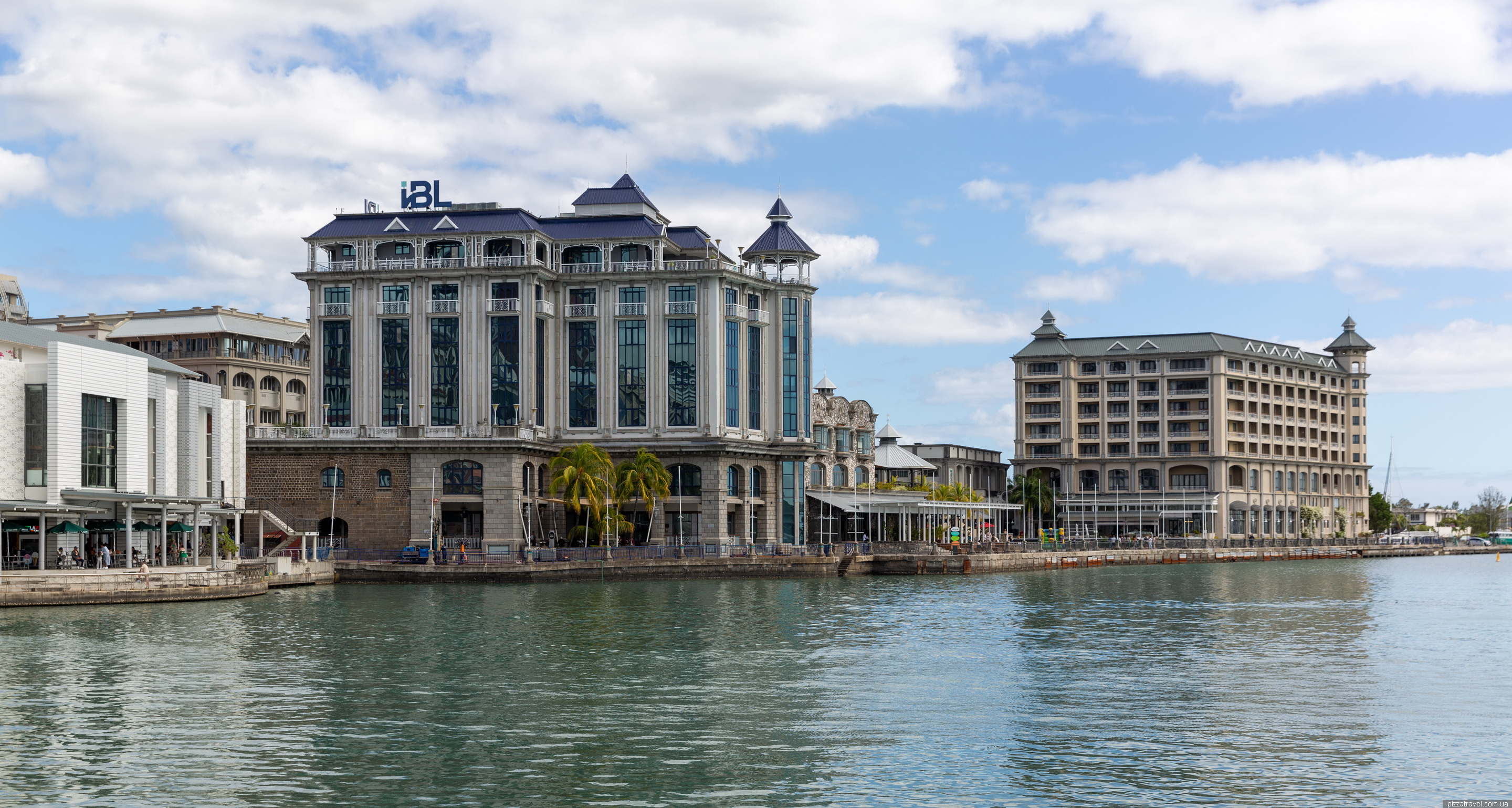
Port Louis, the capital of the island ©Yuriy Buriak
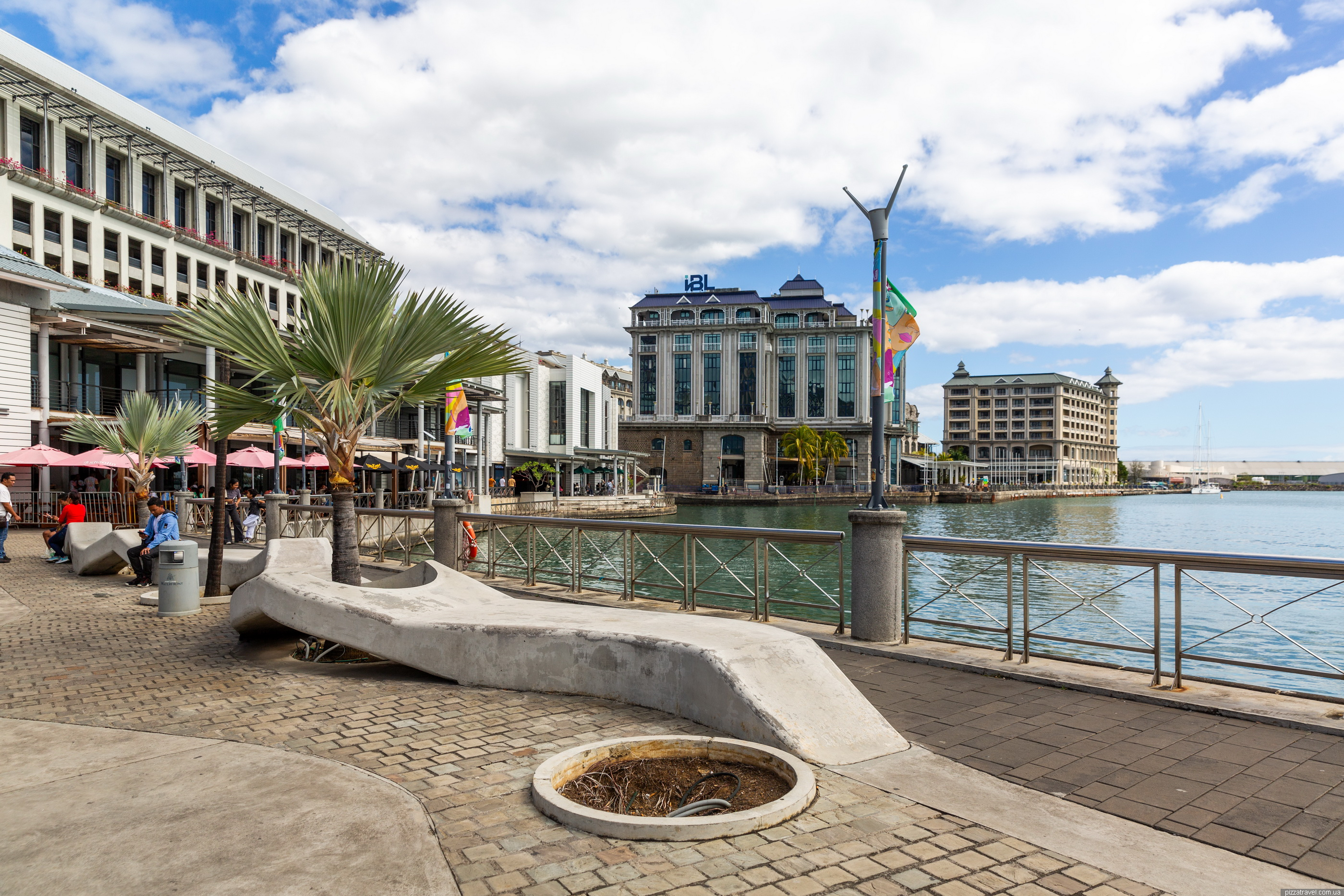
Port Louis, the capital of the island ©Yuriy Buriak
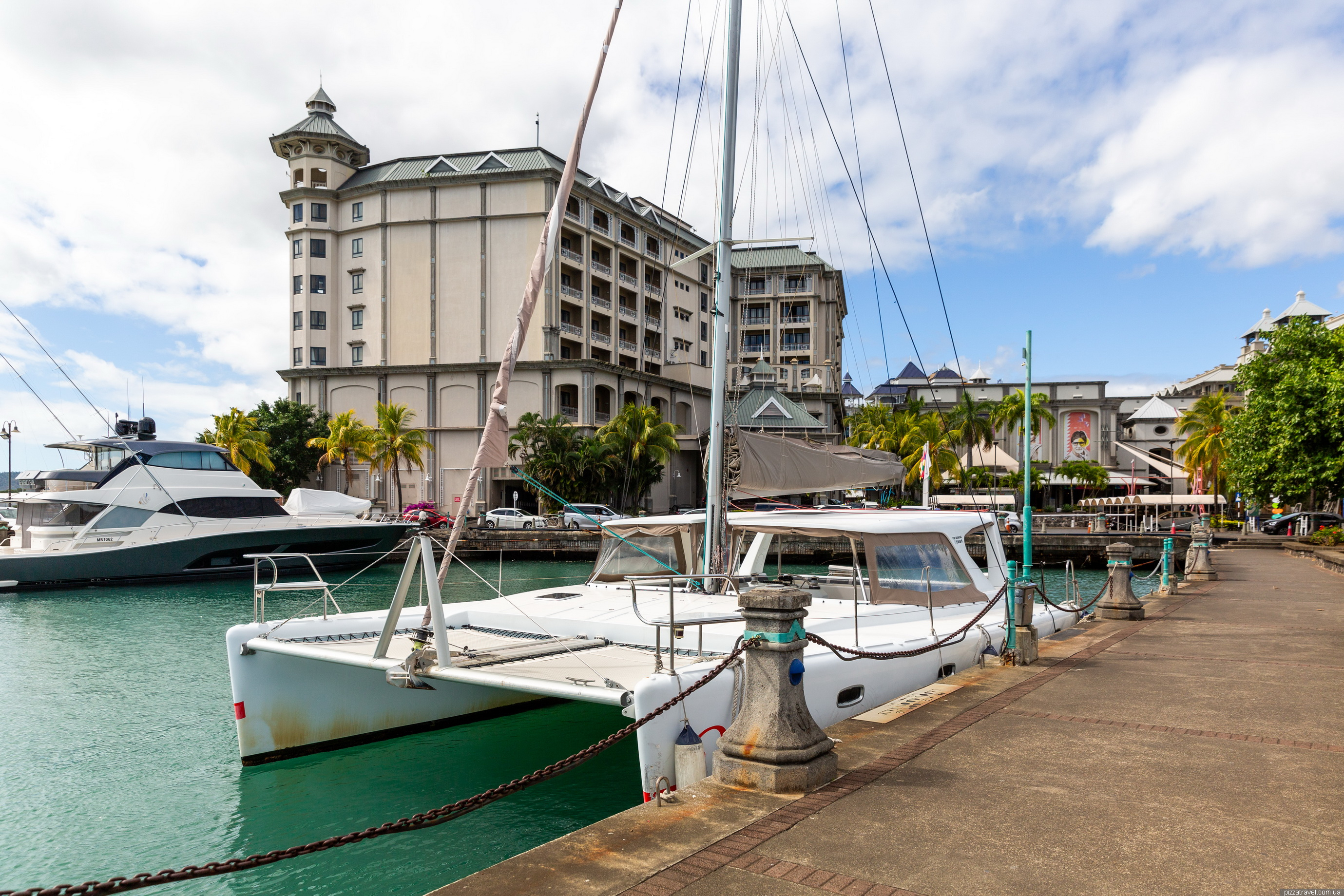
Port Louis, the capital of the island ©Yuriy Buriak
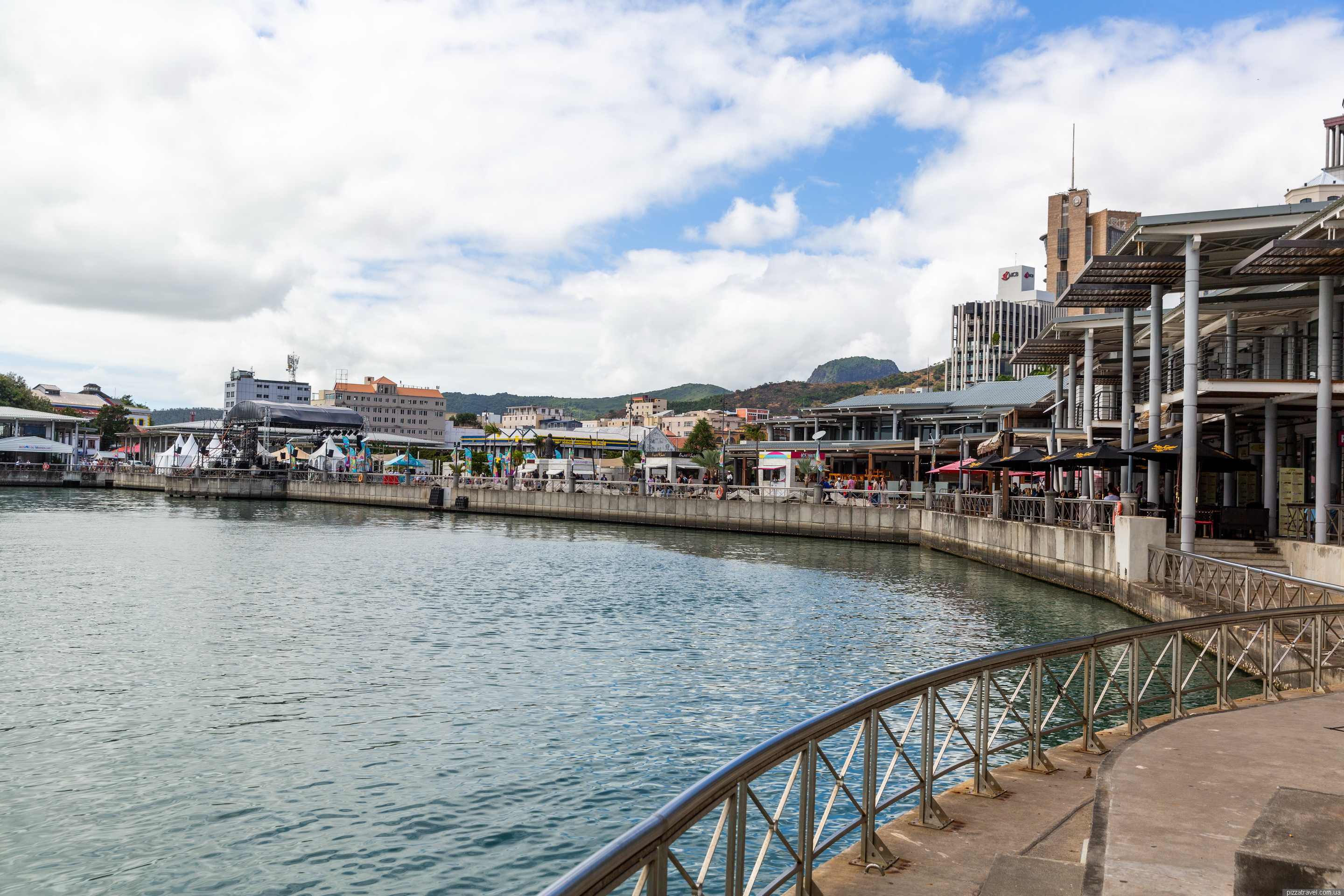
Port Louis, the capital of the island ©Yuriy Buriak
Getting there: there is convenient parking at the port (20.160556, 57.496694); during our visit at the weekend, it was free of charge.