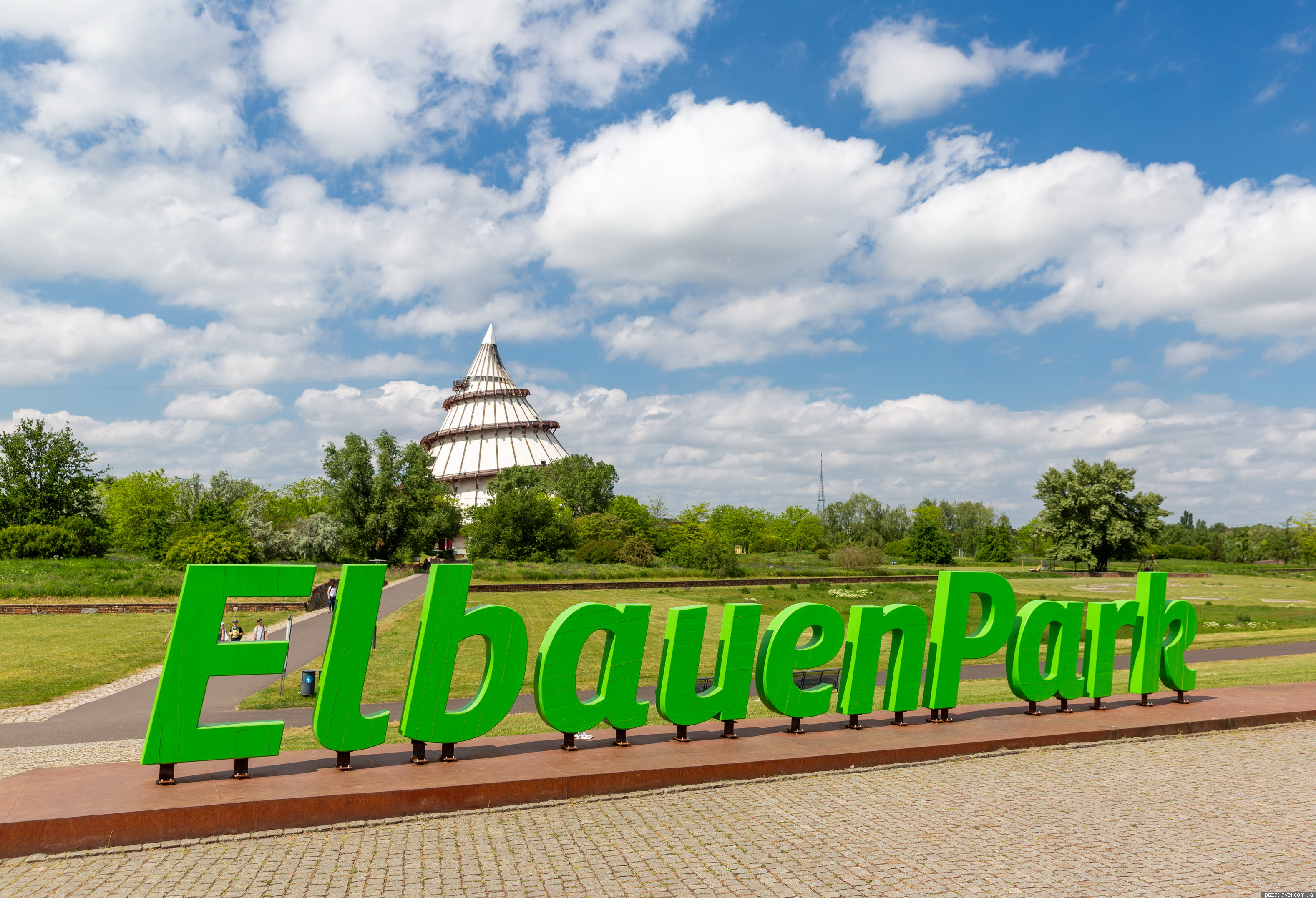
Magdeburg. Venue of BUGA 1999 ©Yuriy Buriak
The idea is very straightforward: create something large and beautiful in a city, charge visitors for about half a year, and then let this place continue to enhance the city for decades or even centuries. On the downside, sometimes a very big part of the city ends up fenced off with a paid, although relatively inexpensive, entrance.
There are three main levels of these exhibitions: Landesgartenschau (LAGA) - a regional format at the federal state level, usually held in smaller towns; Bundesgartenschau (BUGA) - the national level, larger in scale and with a stronger impact on infrastructure; and Internationale Gartenausstellung (IGA) - the rarest and largest format, international, with participation from multiple countries. The differences are not only in scale but also in purpose: while LAGA focuses on local development, IGA can transform entire regions. The budgets of BUGA and IGA are 200-300 million euros.
At first glance, this may look like something about flowers and landscaping, but in reality these are large-scale urban development projects. Through these exhibitions, cities get the opportunity to completely rethink entire areas - especially those that were previously industrial, abandoned, or undervalued.
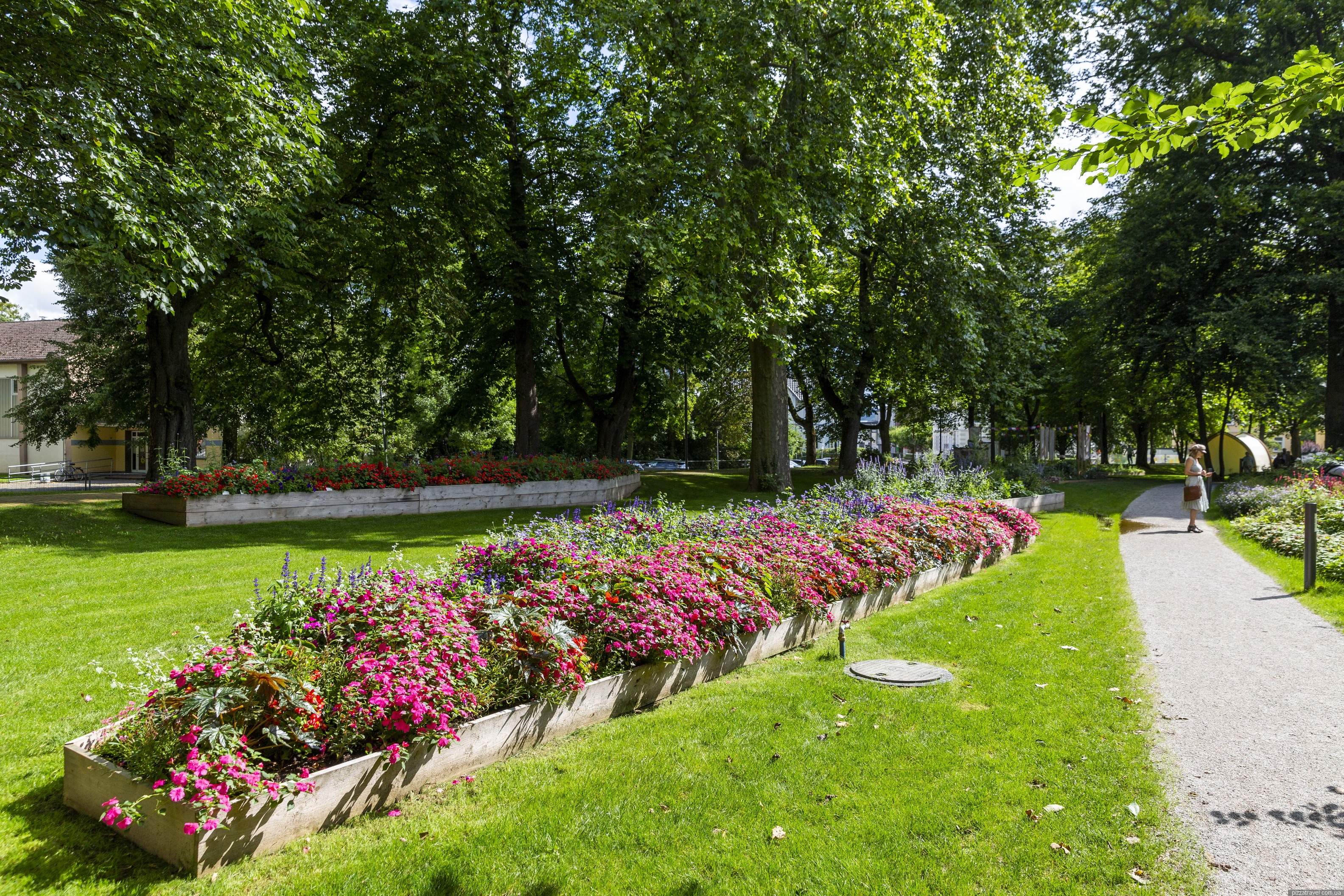
LAGA Höxter 2023 ©Yuriy Buriak
The idea emerged after World War II. The first BUGA took place in 1951 in Hanover, when the country needed not only reconstruction but also new approaches to urban planning. Seventy-five years later, the original exhibition site may no longer look modern, but it is still a beautiful city park full of flowers (Stadtpark Hannover), which is especially worth visiting in spring.
Since 1951, the concept has barely changed: a city is granted the right to host the exhibition and uses it as a catalyst for large-scale transformation. Former factories, military bases, and vacant land are turned into parks, waterfronts, residential areas, and public spaces that remain long after the event ends. It is quite possible that you have already visited a beautiful park in Germany without realizing it was originally created for one of these exhibitions.
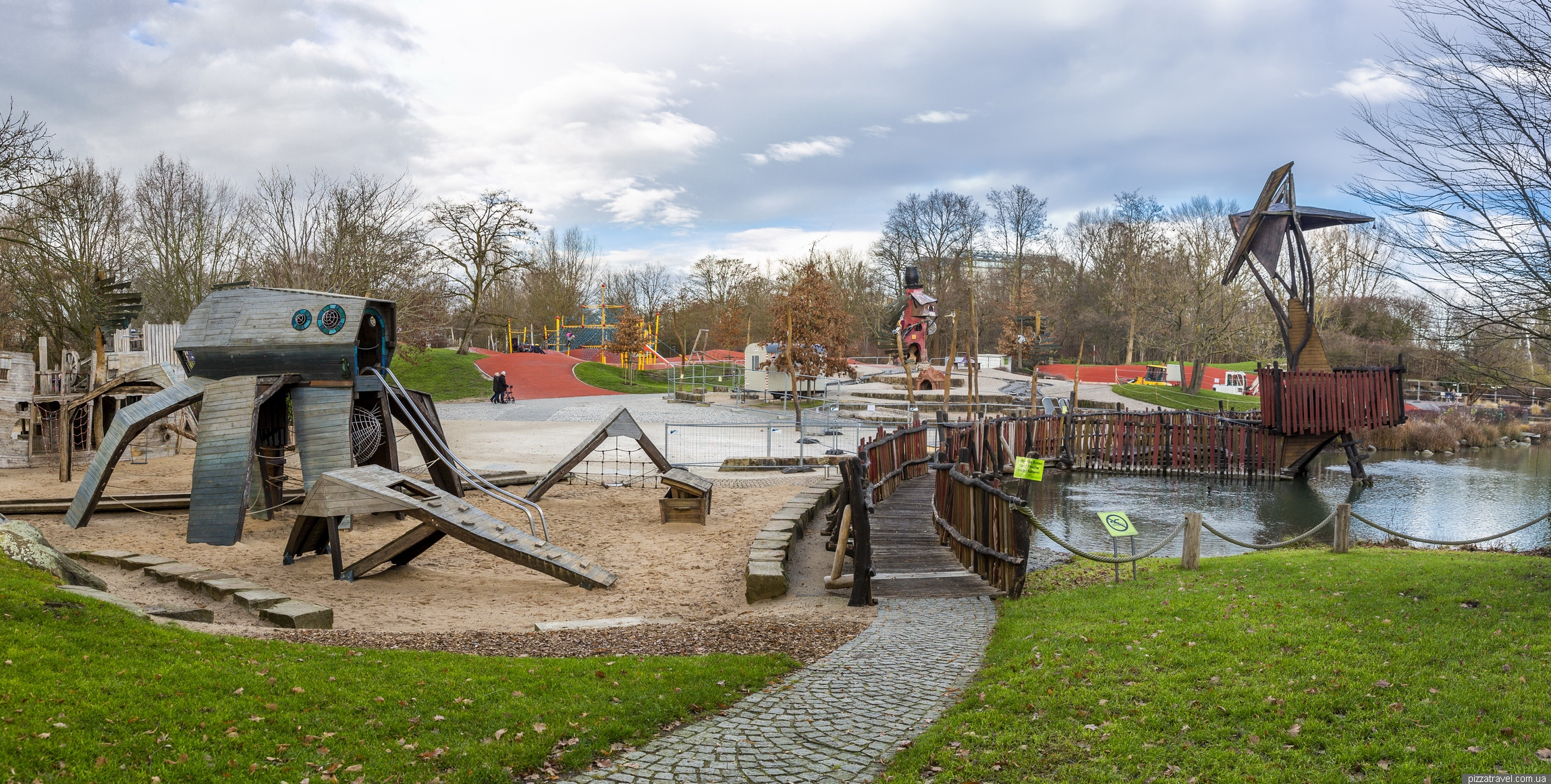
Venue of BUGA 1991 in Dortmund ©Yuriy Buriak
The sites are usually quite large and easy to spot even on satellite images. For example, Westfalenpark Dortmund (google.maps),Maximilianpark Hamm (google.maps), or Elbauenpark Magdeburg (google.maps). If you see large parks like these, chances are they were former exhibition grounds. Even decades later, they remain very popular places for family recreation, despite having an entrance fee.
Funding for these projects is always mixed. Part of the money comes from federal and state budgets, cities themselves contribute significantly, and private investors are also involved. An additional source of income is ticket sales during the exhibition. These events attract millions of visitors, and with ticket prices around €25 (as of 2026), organizers can recover part or even all of the costs. However, not all projects are equally successful: sometimes visitor numbers fall short of expectations, leading to financial challenges for the host cities.
It is important to understand that these projects are seen not as expenses but as investments. They stimulate the economy, increase a city’s attractiveness, and trigger long-term changes. That is why even smaller towns are willing to invest significant resources to host a LAGA or BUGA.
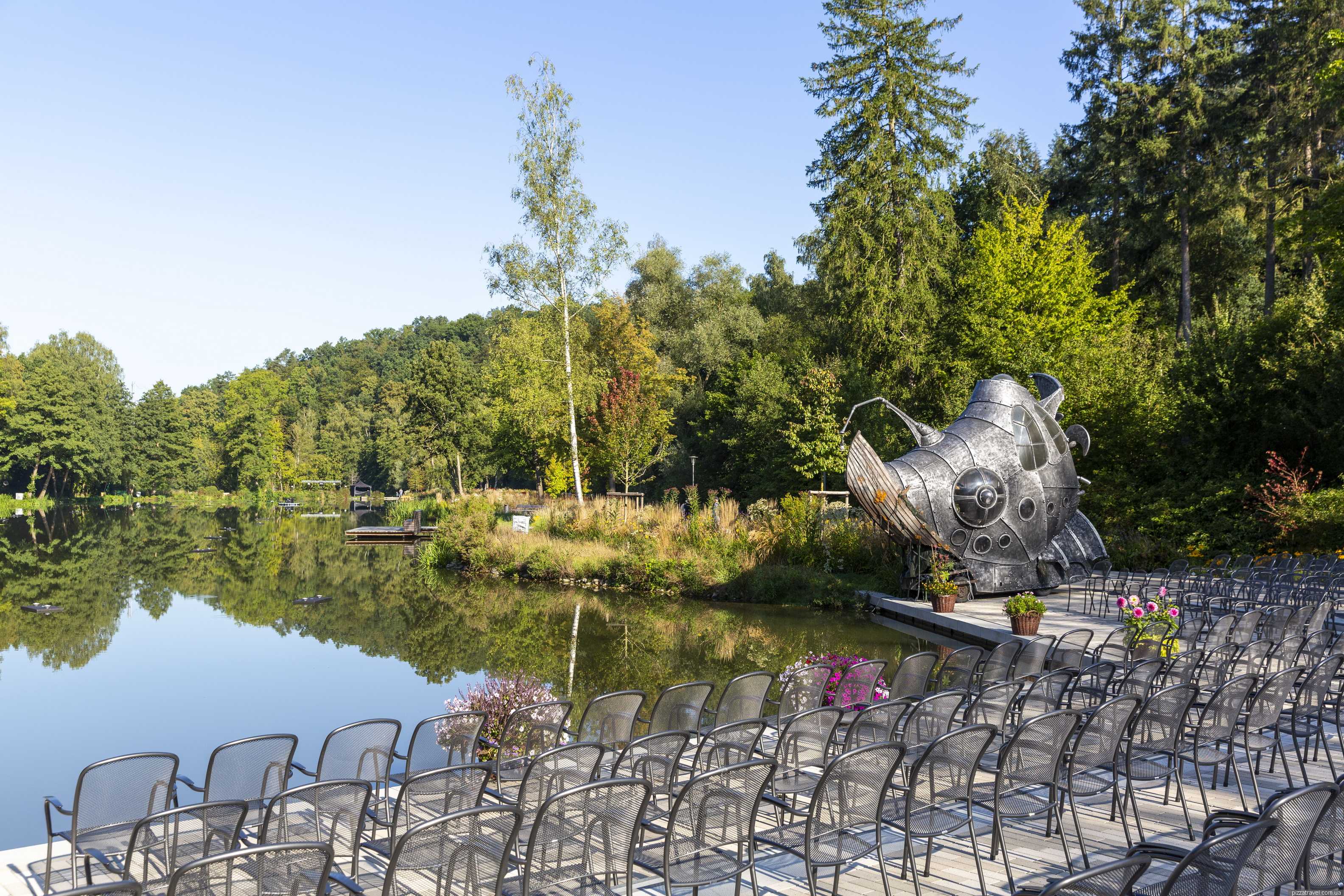
LAGA Bad Gandersheim 2023 ©Yuriy Buriak
The selection process for host cities is quite competitive. Cities submit detailed applications explaining how they plan to transform their chosen area. Not only the concept is evaluated, but also the long-term impact: what will remain after the exhibition, how it will affect the city, and whether the financing is realistic. In the end, the winning projects are those that offer not just a visually appealing idea, but a well-thought-out development strategy.
There is no official ranking of exhibitions, but their success is usually measured by visitor numbers, economic impact, and how the site is used afterward. The most successful projects are those that result in new residential districts or popular public spaces. In this sense, these exhibitions are not temporary events, but long-term investments in urban development. For example, the 1983 exhibition in Munich set a record with over 11 million visitors, and during the 2017 IGA in Berlin, a cable car was built that became part of the city’s infrastructure.
In the end, BUGA, IGA, and LAGA are much more than flower exhibitions. They are a tool through which Germany systematically transforms its cities. Some exhibitions have taken place on former mining sites or even uranium quarries, which were completely turned into green spaces. And if you look at the results a few years later, it becomes clear: the main point is not the exhibition itself, but what remains afterward.
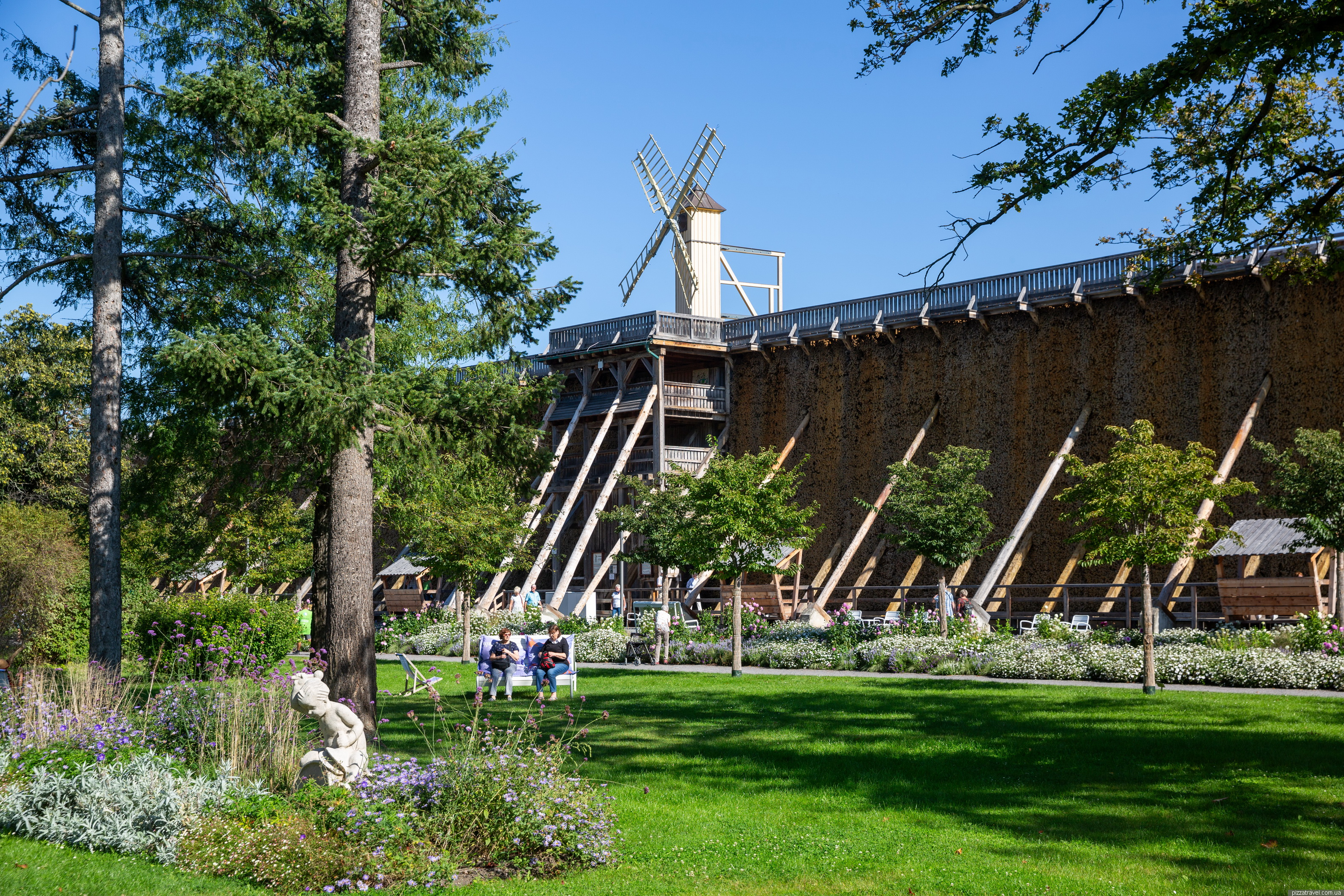
LAGA Bad Dürrenberg 2024 ©Yuriy Buriak
We have already visited quite a few of these exhibitions and plan to continue doing so. In 2026 alone, we have four visits planned across different federal states.
What is it like for visitors?
The calendar of upcoming BUGA and IGA events can be found on official website - they are usually held every two years. There is no single calendar for LAGA, as each federal state organizes them independently. Information is typically found via Wikipedia, Google, or even AI. Several exhibitions take place each year; for example, in 2026 these include:
LAGA Neuss - 16.04–11.10
LAGA Ellwangen - 24.04–04.10
LAGA Leinefelde-Worbis - 23.04–11.10
LAGA Bad Nenndorf - 29.04–18.10
All of these are relatively small and lesser-known towns that receive significant attention thanks to hosting the exhibition. As you can see from the dates, these events typically run from April to October, and you can visit on any day during that period.
Before visiting, it is important to check information online. Each exhibition has its own dedicated website with a detailed map of the area, which is very useful. There is often a good mobile app as well. For example, you can look at the brochure for the Tal-X exhibition, which took place in Baden-Württemberg in 2025.
If you are traveling by car, make sure to check parking arrangements in advance. During exhibitions, parts of the city infrastructure may be closed, and parking is not always available everywhere. Usually, there are large designated parking areas with direct access or shuttle services.
The size of the exhibition areas varies greatly. Smaller ones may cover around 500 by 500 meters, while larger ones can stretch across several kilometers and even multiple locations. For example, the walking route at the Tal-X exhibition was about 10 km long, and we walked the entire route. So be prepared for quite a bit of walking. Shuttle services and sometimes regional transport are often included in the ticket price - something you should check on the official website.
These exhibitions are perfect for family visits. There is always plenty to see and do for children, including new and creative playgrounds and various types of entertainment.
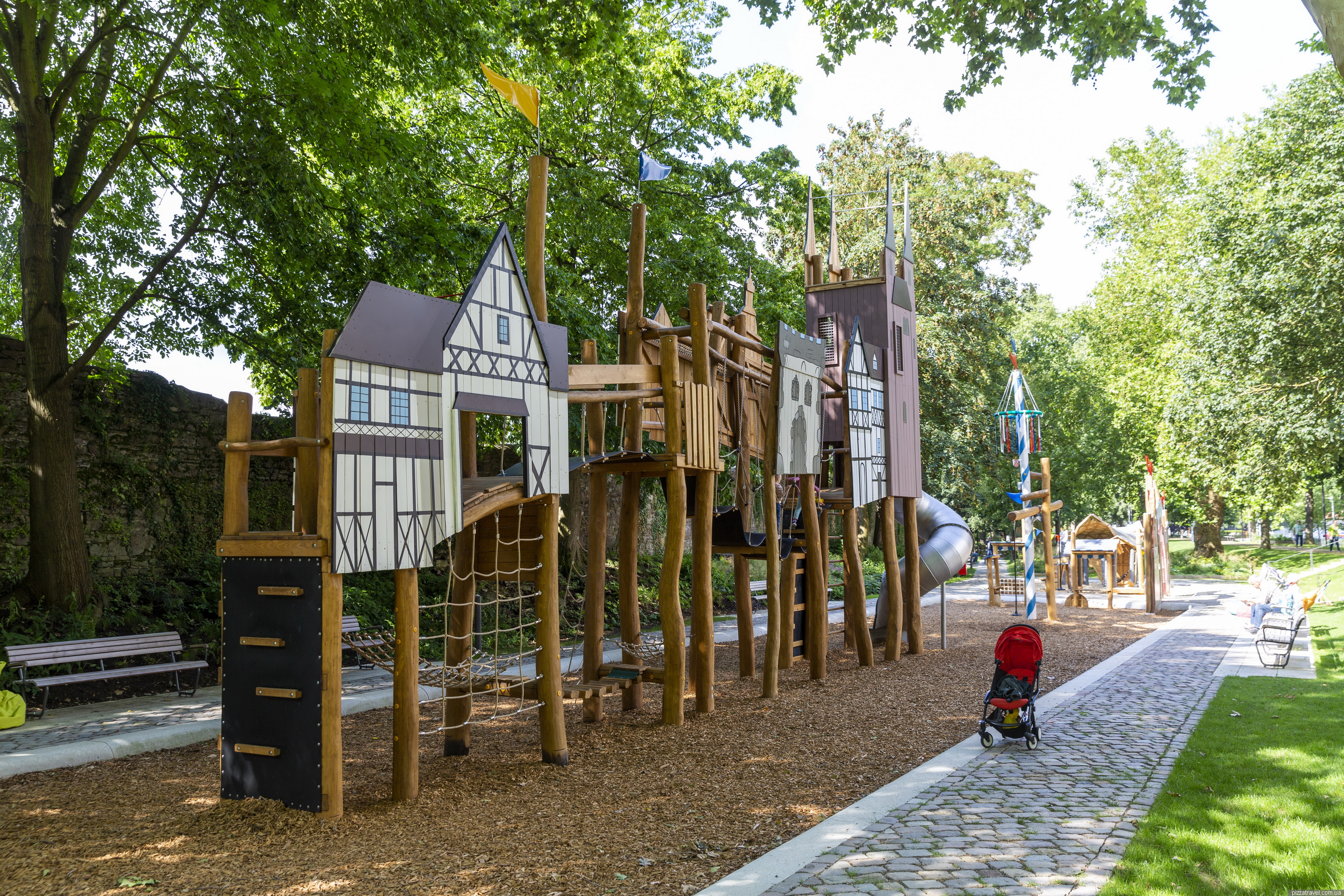
A New Children's Playground for LAGA Höxter 2023 ©Yuriy Buriak
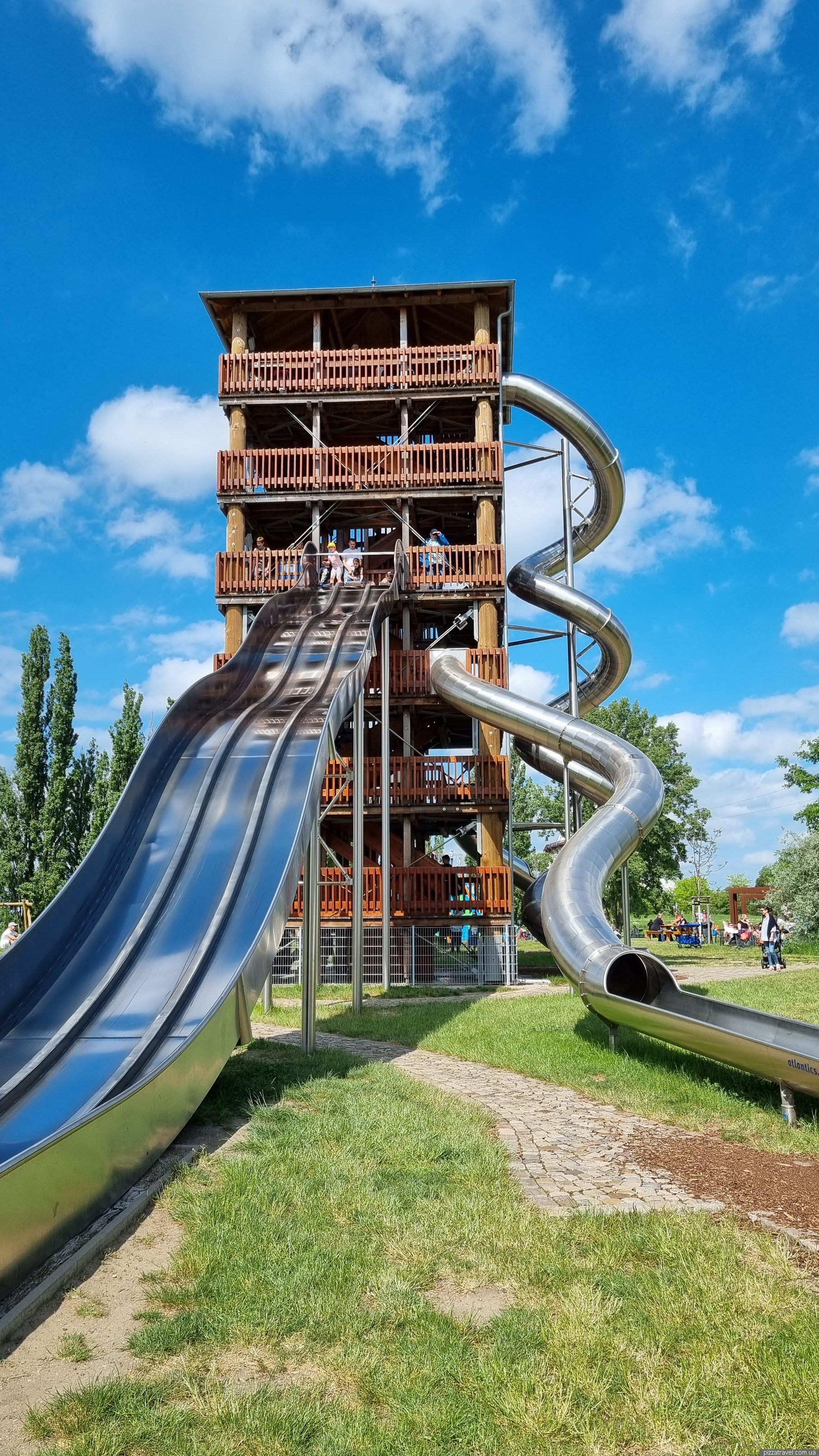
Magdeburg. Venue of BUGA 1999 ©Yuriy Buriak

LAGA Tal X 2025 ©Yuriy Buriak